


But controversy arises as Trout Unlimited suspends Niagara chapter over ‘administrative matters’
The vision of Trout Unlimited’s Niagara Chapter to see a section of 12 Mile Creek near Hwy. 20 and Rice Road in Pelham be restored is finally set to become a reality, but the group – at least in its current incarnation – won’t be around to see it through.
Depending on who you talk to, the local chapter has been dissolved and the project will be seen to completion by the Niagara Peninsula Conservation Authority, which had partnered with the conservation group.
“It was kind of a strange thing. I kind of looked and said, okay, I don’t understand what this is all about,” said Dennis Edell, who served as the chapter’s president.
He thinks, however, head office for Trout Unlimited in Calgary was upset with the Niagara chapter’s opposition to the rebranding of Trout Unlimited to Freshwater Conservation Canada.
“We were quite vehemently opposed to that,” Edell said. “We felt that you were they were basically throwing 50 years of reputation out the window in to chase something that really wasn’t a problem.”
There was never any perception that the public thought Trout Unlimited was “being perceived as a fishing club or something that was restricted to fishing or to brook trout or trout (in general),” Edell said, adding the name did not preclude Trout Unlimited from expanding or from having the ability to access federal grant programs.
In fact, he said the Niagara chapter secured $130,000 in federal grant funding from its Environmental Damages Fund for the 12 Mile project to go with donations of $55,000, and in kind donations from Walker Industries and Lafarge in the form of aggregates. That was on top of just over $90,000 the group received from the Town of Pelham. In total, the cost of the projects will cost about $305,000 with an additional $33,600 set aside in a contingency fund in the event of cost overruns.
“That was never our experience, and we were always successful at getting federal grants, provincial grants, and not once ever was there any question of exactly what we did.”
The Niagara chapter, Edell said, had spent 12 years developing its reputation in Niagara and that the name change would more or less erase that work.
“We had discussions with other chapters who also felt the same way,” Edell said. “And I think that probably was the thing that really annoyed them the most that we were talking to other chapters organizing against the name change.”
But David Fields, programs and partnerships development manager for Trout Unlimited Canada said the chapter has not been dissolved, but rather its operations have been suspended.
“I think that it is a matter, really, of the local chapter and the national organization being on the same page,” he said. “Sometimes it happens that that local priorities can be in conflict with national priorities, and so it’s up to us as an organization working with our volunteers to get on the same page.”
The issues, Fields said, are not related to the 12-Mile Creek project.
Sometimes it happens that that local priorities can be in conflict with national priorities
“That kind of work and working to restore and repair streams and repairing areas is the work that that we do. The suspension of the Niagara chapter was a result of other more administrative matters over a period of years that we weren’t able to resolve.”
Fields declined to get into specifics about what these “administrative matters” were.
He added that the Niagara chapter and its volunteers have done a lot of work over the years and “achieved great things within the region” over that time. This includes the 12 Mile Creek restoration.
“We applaud their efforts. We are grateful for their efforts, 100 percent,” he said. “Unfortunately, we just couldn’t resolve the other internal administrative matters and find a way forward to working together.”
The Niagara Peninsula Conservation Authority, meanwhile, has taken on the restoration project, which will consist of filling in the 115-metre eroded section, re-grading the creek, and installing a series of rock riffles and pools.
The work will slow the movement of the water and reduce erosion. As a result, new refuge areas will be created for insects, amphibians, and fish. These features will slow the water, reduce erosion, and create refuge areas for insects, amphibians, and fish, most importantly native Brook Trout. The positive impacts will extend downstream for multiple kilometres, enhancing the range and spawning conditions for this threatened species, the NPCA said in a news release about the project.
“By collaborating with our partners and leveraging our experience in environmental restoration and project management, we are confident this project will significantly improve the habitat for native Brook Trout and contribute to the overall health of the Niagara Peninsula watershed,” said Steve Miller, NPCA manager of water resources.
The work is set to start Sept. 3 and will include the removal of 13 trees and some understory vegetation to allow for the work to be completed. The removed trees will be replaced with 33 new native trees including red oaks, sugar maples and basswoods. The restoration will be enhanced by the planting of 260 native shrubs.
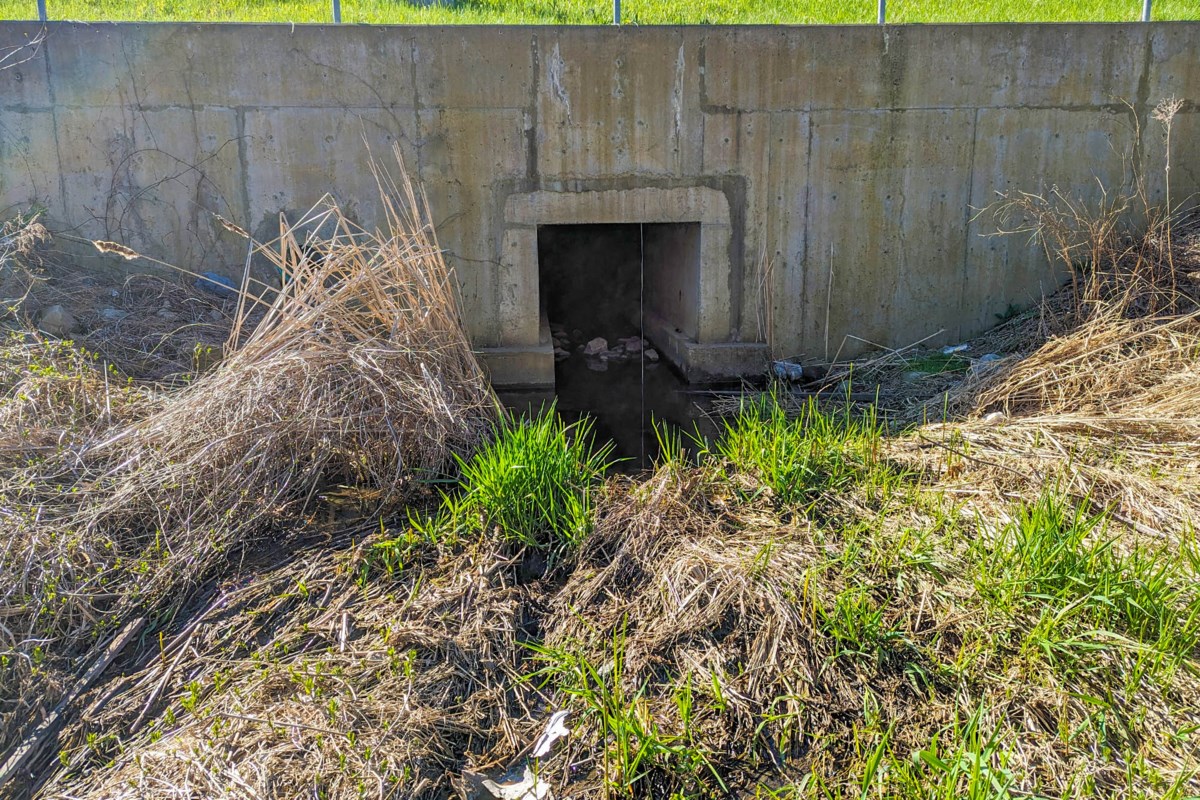
The erosion is being fueled by water being discharged into the creek from a culvert that runs beneath the highway.
Edell, meanwhile, isn’t sure what the next steps are for the Niagara group.
“We looked at everything from creating a chapter that was affiliated with Trout Unlimited in the States – Trout Unlimited in the States has 300,000 members and 450 chapters – but that creates all kinds of complications.
Rather, he said the group is more likely to “pick our spots” in the future.
“There’s certain projects in 12 Mile Creek that we kind of have been looking at we which we would have done, and we may just try to keep those moving forward,” Edell said.
The Niagara group has also arranged with a Hamilton fly fishing group to continue the Healing Waters program for military veterans. The program will still be based in Niagara with fishing taking place on the Effingham property of Niagara chapter member Doug Leavans.
“We felt that was really important,” Edell said.
link