


“This amendment is a huge step forward for practical, common-sense riparian restoration in Alberta,” says Andrew Renaux, chief executive officer and founder, Leaf Ninjas. “This simple change will reduce flood and drought risk, protect our watersheds and ensure Alberta’s restoration efforts are resilient and effective. We applaud the Alberta government for listening to restoration practitioners, cutting red tape and delivering a solution that benefits both the environment and Albertans.”

Government officials say riparian restoration projects are crucial for expanding, repairing and rejuvenating ecosystems near water bodies. According to the province, the requirement to have a temporary diversion licence made this important work more difficult by adding additional costs onto small companies and organizations and delaying projects while waiting for licences. The government says it also meant that if a licence could not be obtained or water shortages were seen in an area, water had to be trucked in, or the plants were left to die.
“Our government is pleased to support the important work of restoring riparian areas and improving the health of our rivers,” exclaims Grant Hunter, Associate Minister of Water. “Allowing a small quantity of water to be used without a licence will help establish healthy, lush vegetation along previously degraded riverbanks and help make these projects successful over the long term.”
“By cutting unnecessary red tape, we’re empowering communities and ecological restoration groups to focus on what really matters: restoring Alberta’s watersheds,” adds Dale Nally, Minister of Service Alberta and Red Tape Reduction. “This change will ensure that their hard work and investment won’t be lost to bureaucratic delays, allowing more time to focus on helping plants thrive and our environment flourish.”
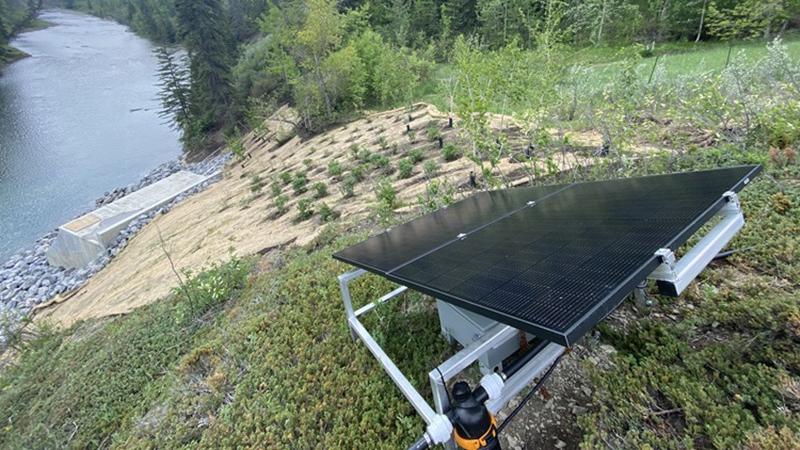
With the removal of the requirement to have a temporary diversion licence, officials say more restoration projects will be able to adapt to changing conditions. In addition to the removal of the temporary diversion licence requirement, the government says there are new industry-led technologies like solar-powered drip systems that make watering more efficient than ever and reduce the amount of water needed.
Alberta government quick facts:
- The exemption only applies to small projects consuming no more than 100 cubic metres per day, for water that will be used to support the growth and establishment of plants along a watercourse or water body.
- Strong, healthy vegetation around waterways helps restore native habitats, prevents erosion to riverbanks, stabilizes nearby land and improves water quality.
- Alberta’s Watershed Resiliency and Restoration Program provides grants to restore riverbanks and riparian areas across the province.
link