


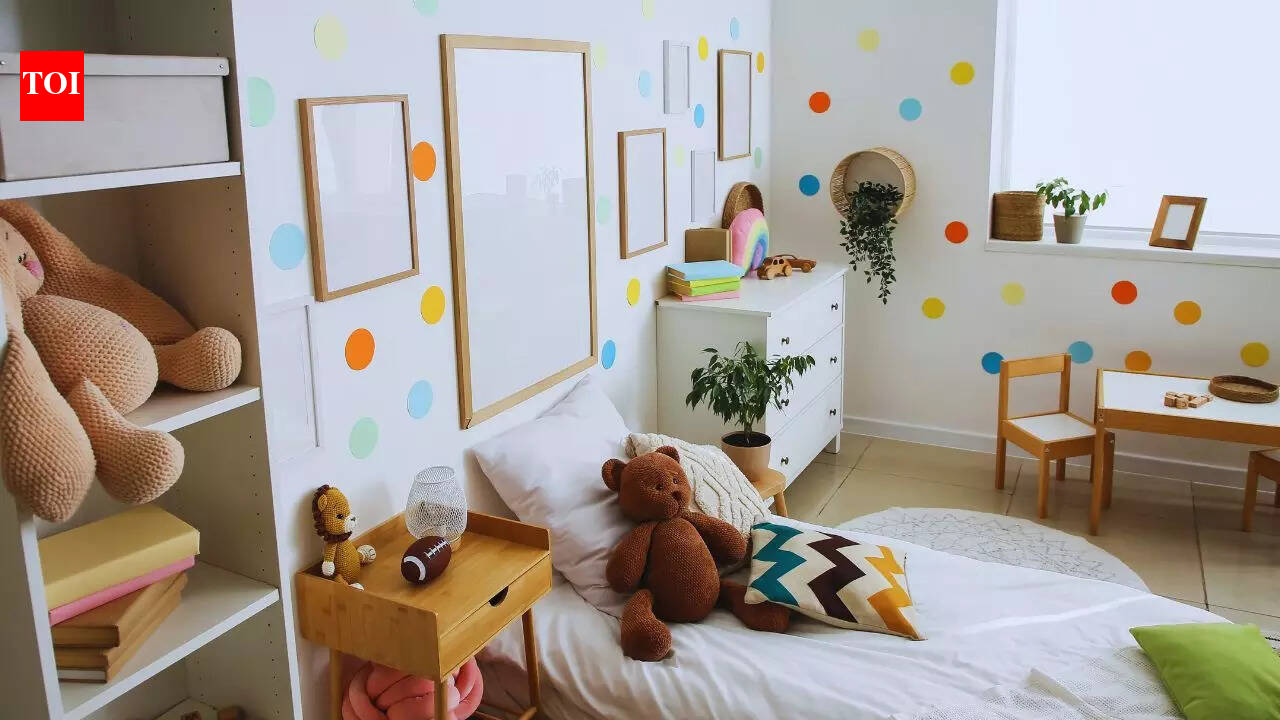

One of the most important spaces in any apartment or home is the bedrooms of children. They stand out as one of the most vital spaces in any home, and they are not just places to sleep. Most kids spend hours here playing, studying, and growing. Hence, a thoughtful design directly shapes their emotional, cognitive, and physical development. Soft, diffused daylight makes things feel calm, which helps their eyes and helps them sleep better, which is important for growing minds. Safety is the most important thing in these places. Parents and kids can relax knowing that their furniture has rounded edges, their paints are safe, their shelves are secure, and their bedding is hypoallergenic. But making this safe space is the hardest part of interior design. Kids’ tastes change quickly, from dinosaurs to teen minimalism, so you need to be able to adapt. Modular furniture, such as beds that can be adjusted or desks that can be mounted on walls, can easily change to fit your needs. Removable decals on neutral walls let kids make their own space without making a permanent commitment. Multifunctional storage keeps things neat and teaches kids how to stay organized. In the end, a great kids’ bedroom encourages creativity and independence and changes with the child to help them reach every goal. Put money into being flexible, and you’ll see it become a springboard for growth throughout your life. Interior Designer Punam Kalra, Creative Director of I’m the Centre for Applied Arts, shares tips on how to design bedrooms for children of different age groups. Infants & Toddlers (0–3 years): Safety and sensory comfortWhen designing a nursery for infants and toddlers (up to 3 years old), safety, sensory comfort, and fun are top priorities.A good colour scheme would be gentle pastels, warm neutrals, or muted greens and blues because they all create a calm atmosphere. Aggressive colours that are overly bright or contrasting could create sensory overload. Furniture in a nursery for infants and toddlers should be minimal, child-safe (with rounded edges), and stable. All shelves, dressers, and wall decorations must be securely fastened to prevent accidents. Using a low crib or convertible cot will allow for greater ease of transition. The flooring should be soft and forgiving. An example would be rugs, foam mats, or cork flooring that provide cushioning for crawling and beginning to walk. Provide several forms of warm ambient lighting and a soft night lamp so parents can have comforting nighttime feedings. A nursery can have simple wall decals, animal illustrations, or alphabet prints, providing a stimulating yet non-cluttered visual environment. Storage should be at an age-appropriate height for children and organised by types of toys and necessary items. Using low shelving units or baskets would work best.

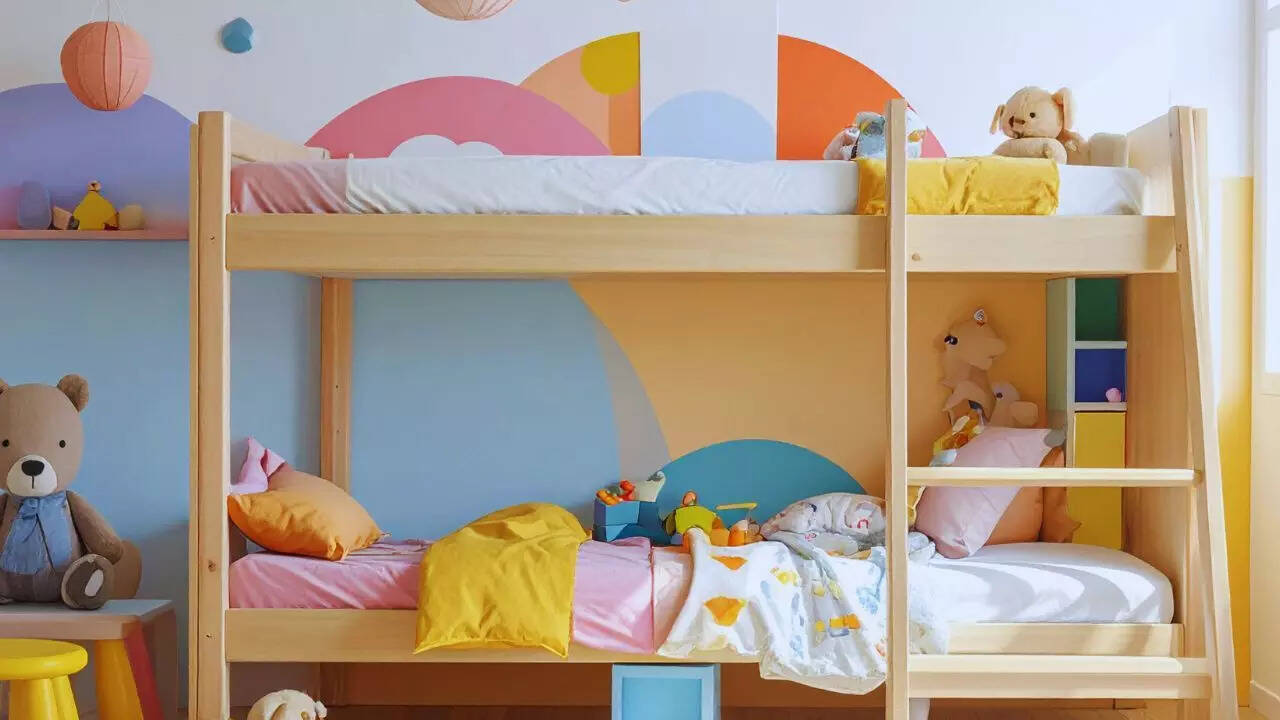
Preschoolers (3–6 years): Imagination and independencePreschool-aged children are just beginning their development of independent thought. They are curious, imaginative, and creative. Their experiences of creativity, imagination, and exploratory play take shape through theme-based decorations, whether a safari theme or outer space. Unlike permanent murals or paintings, you can use removable wallpaper, decals, and removable themed accessories to keep your child’s room flexible and changing with their age. The room can be divided into different zones for active play (in a play corner), art or creative work (at a small table), and reading/writing (in a reading nook). Bright accent colours and patterns should be used for cushions, curtains, rugs, etc., to be visually stimulating and energising, while using a neutral colour base for the room to maintain long-term flexibility. As children enter this stage in their life, storage capabilities become increasingly important. Set up your child’s room for him or her to have his or her own space to keep him or her independent. Consider using open shelving, labelled bins, and low drawer storage options. Interactive walls are also essential in maintaining function as well as enjoyment of the child’s environment. Walls that can be used for writing (i.e., chalkboards, whiteboards), drawing (i.e., chalkboards, whiteboards), and creating (i.e., magnets, sensory walls) add a great deal to your child’s playful environment. School-Age Children (7–12 years): Learning and personalityFor school-aged children, their environment should promote focus & organisation as well as being reflective of who they are. Creating an area specifically to do schoolwork is critical. An ergonomic desk & chair should be selected and positioned near a window for daylight & have adequate task lighting for homework or reading activities. Allowing your child to choose the colours of their room or decorate it in ways that represent his/her interests will help him/her feel he/she has some control over their space. Examples would be a sports theme, hobby displays or having their name on a sign. Using a neutral base colour of beige, grey, light blue, or sage will create a calm environment with the use of colourful bedding, cushions & wall art providing accent colours. Utilising smart storage solutions like bookshelves, drawers under the bed, & modular cabinets can help you keep clutter under control. If you have multiple children sharing a room or have guests frequently, bunk beds & trundle beds offer excellent solutions.
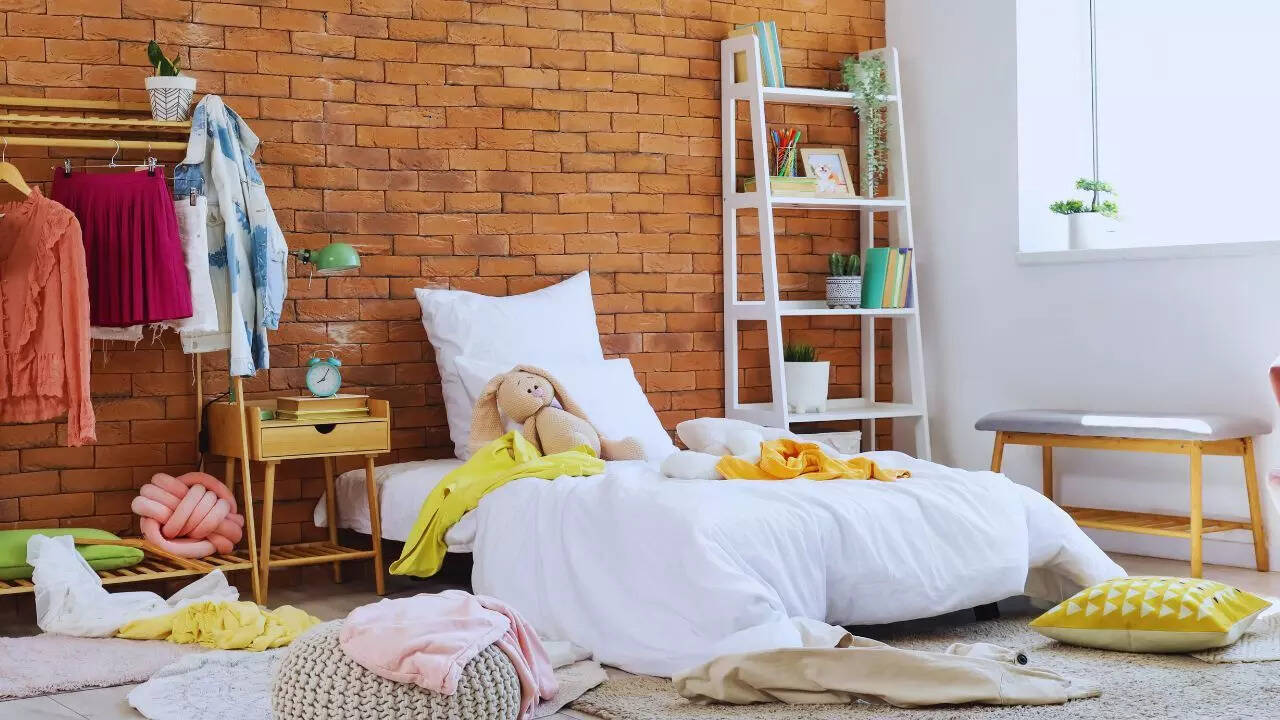
Teenagers (13–18 years): Privacy and functionalityTeenage bedrooms need to be mature, unique, and practical. Instead of childish designs, create an upscale hotel/studio look. Use a muted-coloured scheme (navy, charcoal, blush, sage, or soft neutrals) for an elegant appearance. Use modular or flexible furnishings, such as adjustable desks, floating shelves and multi-purpose seating. Create a lounge area with bean bags or a chair for lounging/reading. Be sure to include tech-friendly features such as charging ports, cable management, and adequate desk lighting. Encourage individuality through a gallery wall with your favourite photographs, art prints or inspiration boards that can change over time.Universal design principles for all agesWhen designing for individuals of any age, there are several design principles you can follow:
- Future-proof the design by using neutral wall colours and adding evolving decor as children grow.
- Select multi-functional furniture. Furniture with storage, foldable desks, and modular shelves optimise space.
- The most important element is the safe environment of a child; therefore, anti-slip rugs, furniture anchored to the wall, and soft corners/edges should be used.
- Layered lighting (ambient, task, and accent) provides flexibility in the way you light your room.
- Keeping a clean, clutter-free room is important for parents to maintain their child’s space.
As your child grows, so too should his/her bedroom. This means implementing designs that combine aesthetics with functionality and flexibility. Instead of completely redesigning the bedroom every couple of years, invest in flexible foundation items such as neutral colours, modular furniture and smart layouts that can change with very little work.
link