


Deforestation and changes in land use are responsible for a significant part of global warming. To address this challenge, the Green Climate Fund launched a pilot program of payments for results in 2017, focused on restoration projects through reducing emissions from deforestation and forest degradation (REDD+) in developing countries.
In South America, the FAO coordinates its implementation in Argentina, Colombia, and Chile, with an emphasis on community strengthening and ecosystem restoration.
Argentina: Women entrepreneurs restore native forest in Misiones
Sustainable production, forest nurseries, and territorial rooting as pillars of transformation.
In Colonia Alegría, Misiones province, the Women Entrepreneurs Group faced the degradation of native forest and structural barriers to consolidate their economic autonomy.
Through the REDD+ Argentina Project, promoted by FAO and the national government, they began designing sustainable productive strategies such as apiculture, small animal husbandry, agroforestry, and reforestation, through community workshops.
Today they have a community hall and a seed conservation nursery, and are advancing in the development of forest enterprises that integrate sustainable practices. These actions strengthen their identity, generate income, and consolidate their roots in the territory, demonstrating that environmental restoration can go hand in hand with social and gender justice.

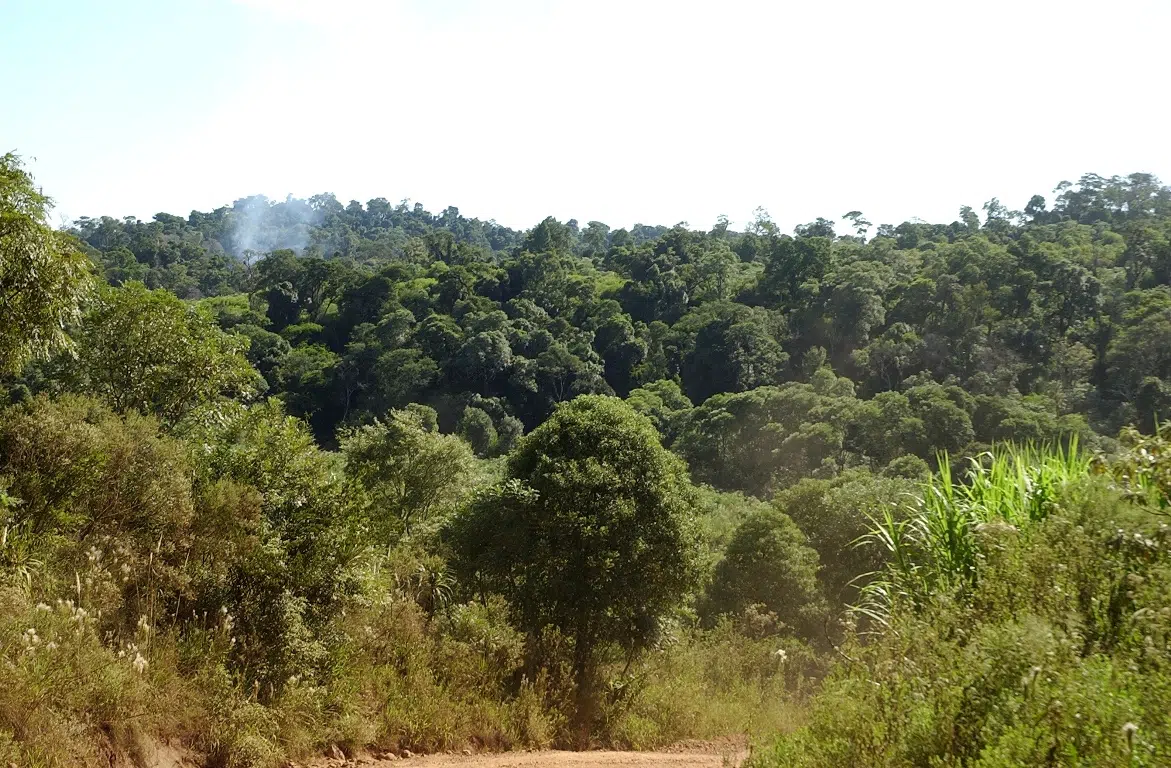
Colombia: Agroforestry and biomass to reduce pressure on the Amazonian forest
The strategy “Sustainable Firewood, Secure Forests” improves nutrition and promotes responsible land use.
In the department of Caquetá, southern Colombia, communities from the Amazonian Paradise Forest Development Center faced difficulties in accessing firewood and diversifying their diet, leading them to cut down valuable trees and apply unsustainable agricultural practices.
FAO implemented the strategy “Sustainable Firewood, Secure Forests”, which includes agroforestry arrangements with native species, field schools, and the production of organic fertilizers.
Families established fast-growing tree gardens to generate biomass as an energy source, reducing pressure on the forest and strengthening food security. Knowledge of the soil and local species became a key tool to restore ecological balance and improve community well-being.
Chile: Restoration of native forest and revaluation of the Pilwa textile
In the coastal commune of Saavedra, southern Chile, the endemic plant chupón or quiscal has decreased due to the loss of native forest, affecting the production of Pilwa, a traditional textile of the Lafkenche Mapuche people. Since 2022, Mercedes Huincateo, along with other women from the Kusaufe Zomo group, has been participating in the +Forests Project, coordinated by FAO and CONAF, restoring six hectares of forest on their property.
The Pilwa textile, besides its cultural value, strengthens the family economy and promotes the conservation of the forest as a source of life. The initiative demonstrates that ancestral knowledge can be strategic allies in the fight against climate change and biodiversity loss.
link