4 Kitchen Cabinet Trends That Are More Trouble Than They’re Worth
:max_bytes(150000):strip_icc()/cabinet-trends-designers-hate-GettyImages-1752599386-a4226994b36e4b3b8be8ce6e7f0eb2cc.jpg "4 Kitchen Cabinet Trends That Are More Trouble Than They’re Worth")
Kitchen cabinet trends may come and go, but no matter where they are in their popularity life cycle, they somehow always end up becoming divisive. All-white cabinets, for example, were once a fan favorite, but now are solidly out. Meanwhile, honey oak cabinets from the 2000s were looked down upon until recently, when they suddenly came back in style.
Still, there are a few looks that designers are shying away from even if they’ve been deemed stylish. Ahead, find out the four new styles they warn against installing for practicality reasons.
Curved Cabinets
Alexander Nevmerzhitsky/Getty Images
While the curving edges of some new kitchen cabinets look pretty on the surface, they present challenges that designer Madelaine Mayer, founder and design principal at ADROIT Architecture & Interior Design, thinks aren’t worth the trade-off.
“They offer less effective storage,” she explains. “And you need clearance on both the sides and front to open the doors, which is not ideal for compact spaces like New York City apartments.”
Inset Cabinets
BlueLemonPhoto/Getty Images
Inset cabinetry offers a luxe impression, with the doors and drawers set inside the cabinet frame. This creates a flush surface that looks more like a piece of furniture than a set of cabinets. Samantha Arak, founder of Samantha Carey Interiors, points out that they’re more expensive than overlay cabinetry, and they typically have a smaller storage capacity.
“And because of the precision required for seamless drawer and door operation, the slightest out-of-level installation or wonky existing conditions—common in old New England homes—can result in cabinetry rubbing where it shouldn’t,” she adds. “It’s the equivalent of chafing, but for cabinetry. I generally steer my clients toward overlay cabinetry in the kitchen and save inset cabinetry for a primary bathroom or dressing room moment.”
Cabinets With Cut-Outs
RYosha/Getty Images
Adding fun, personalized details into a space is usually a plus. But for designer Kate Daskalakis, founder and principal at KSD Designs, inserting cut-outs into kitchen cabinets isn’t always worth it.
“I’ve been skeptical of cabinet cut-outs of flowers or mountains or other shapes,” Daskalakis says. “I understand and appreciate the instinct to dress up a cabinet, but those look like you’re giving your cabinet a tattoo.” She explains that while you may love the design initially, it will eventually be difficult (and expensive) to get rid of once you’re over it.
Cabinets With Dowel-Style Handles
Olga Zarytska/Getty Images
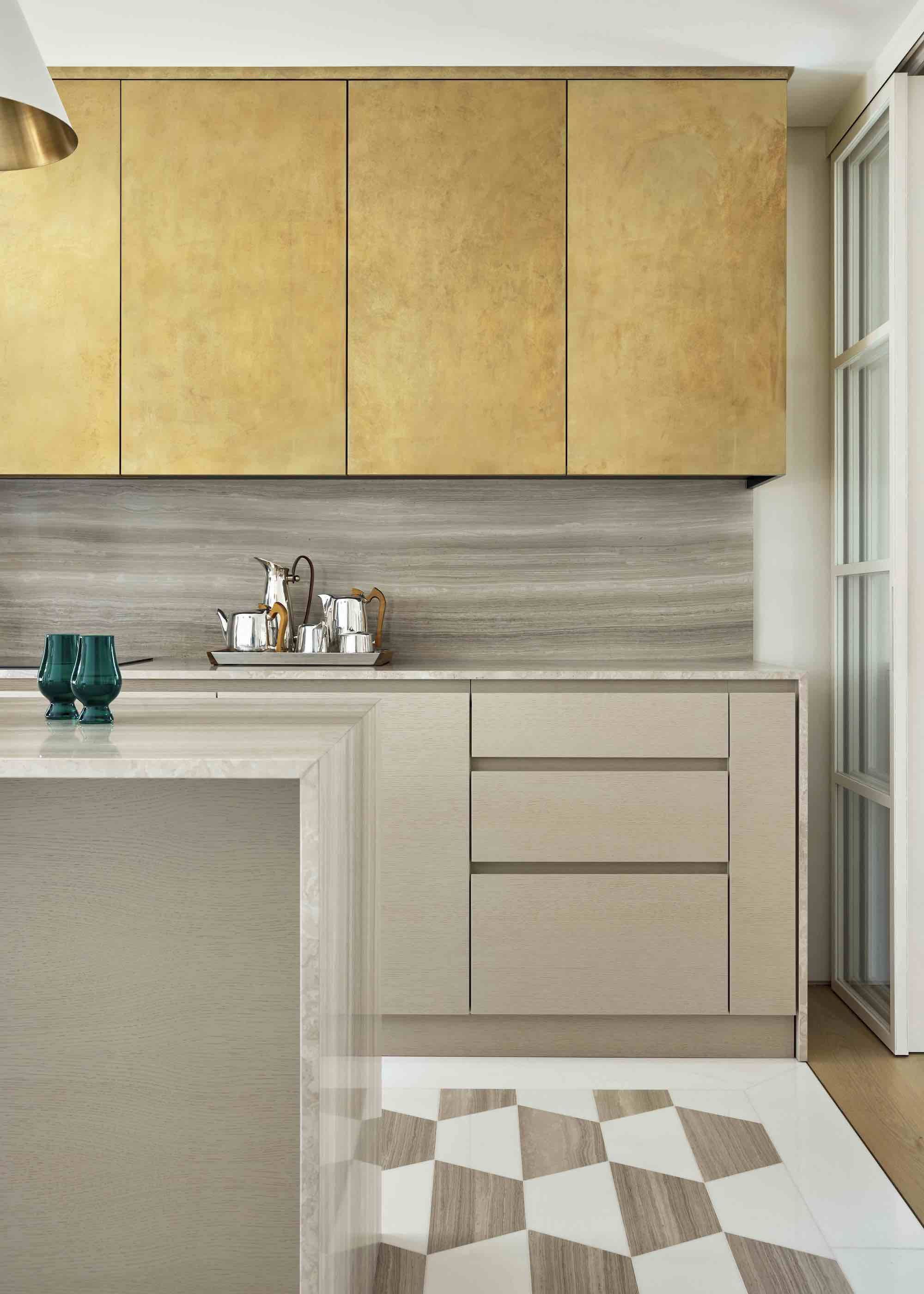
Dowel-style and integrated handles are a popular choice for cabinet and drawer hardware these days. But Mayer isn’t so sure that’s a wise idea. “While beautiful, these can be harder to grasp than conventional pulls, especially for anyone with dexterity issues (or someone trying to open a drawer with their pinky while handling food),” she says.
Mayer believes that in a kitchen, form should always follow function, and these trends miss the mark. Still, she underscores people are beginning to trust that the colorful and design-forward kitchens that began trending a few years ago have staying power. “This confidence is leading to exciting experimentation in kitchen design,” she says.
link

:max_bytes(150000):strip_icc()/GettyImages-544347092-69d2e73c38f345a7baa16f89d6570186.jpg "This Kitchen Countertop Style Is So 2010s")