A Kitchen That Ages Gracefully: Universal Design Principles For A Timeless Luxury Home

I’ve spent twenty years designing kitchens, and if there’s one thing I’ve learned, it’s that truly successful spaces anticipate the future while celebrating the present. When clients approach me about creating their “forever kitchen,” they’re often thinking primarily about aesthetic longevity—will this marble still be in style in ten years? Will these cabinet colors stand the test of time? But there’s a deeper, more fundamental question we should be asking: will this kitchen continue to serve you beautifully as your needs evolve throughout your life?
That’s where universal design enters the picture. Once unfairly associated solely with clinical-looking accessibility modifications, universal design has undergone a remarkable transformation in recent years. Today’s universal design principles seamlessly integrate with luxury aesthetics to create kitchens that are simultaneously stunning, functional, and adaptable to changing needs.
Universal Design: Beyond Accessibility
The core philosophy of universal design is creating spaces that work for people of all abilities and life stages. It’s not about designing specifically for disability or aging—it’s about designing thoughtfully for everyone. Interestingly, the best universal design is virtually invisible, working so intuitively that you don’t even realize the careful planning behind it.
SPONSOR AD
What often surprises people is how many universal design features they already appreciate without realizing their purpose. That pull-out pantry with adjustable shelving? The large cabinet handles that are easy to grasp? The varied counter heights? All universal design elements that benefit everyone, regardless of age or ability.
The Foundation: Thoughtful Space Planning
Movement and Flow
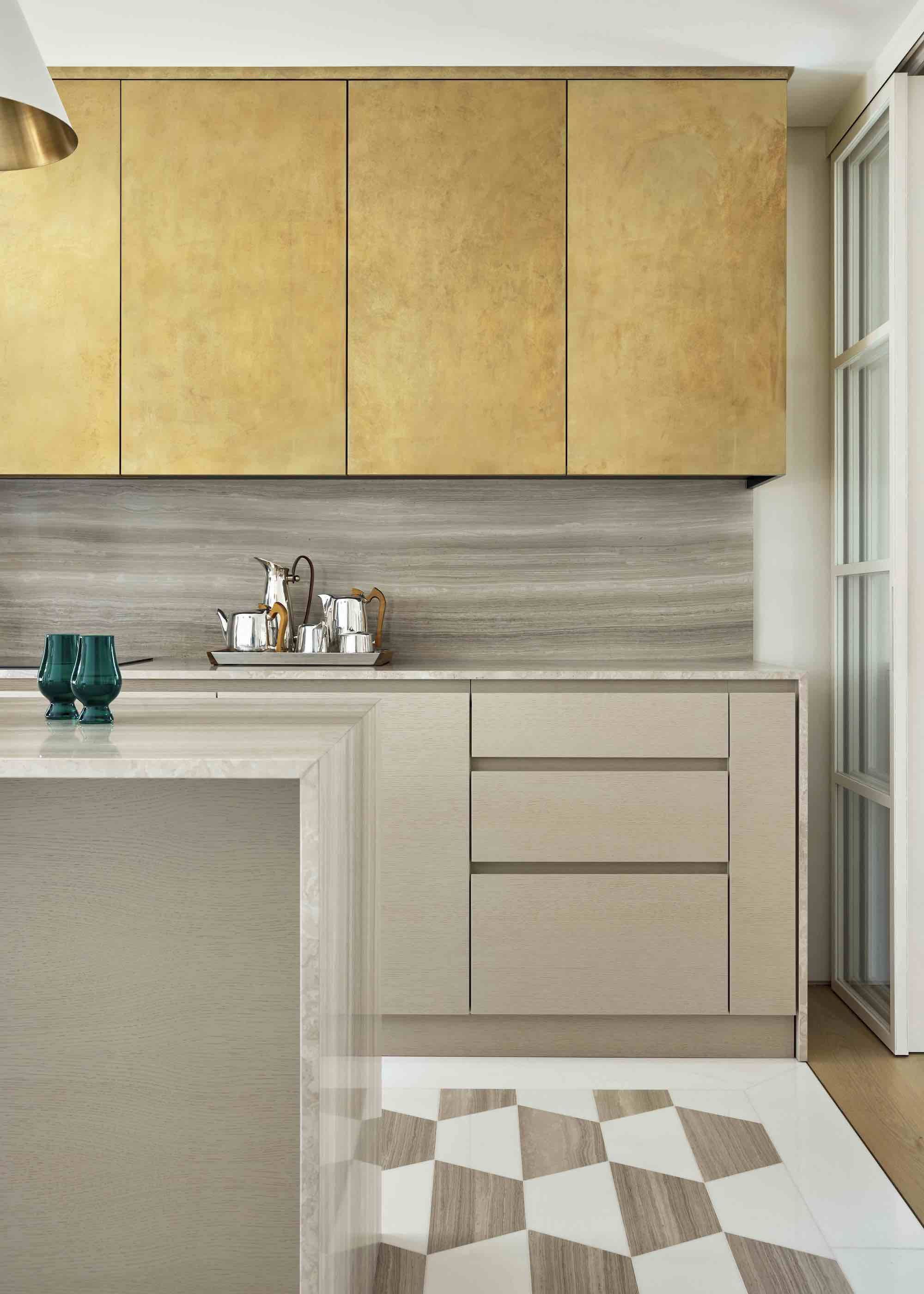
A luxury kitchen that ages gracefully starts with meticulous space planning. Doorways and pathways should be generous—42 inches is ideal—allowing for easy navigation, even with mobility aids. Islands should have ample clearance on all sides, and the classic work triangle should be compact enough to minimize steps while spacious enough to accommodate multiple cooks.
I recently redesigned a kitchen for a couple in their fifties who entertained frequently. They weren’t concerned about accessibility yet, but we still incorporated wider pathways and a thoughtful traffic flow. Three years later, when the husband unexpectedly needed knee surgery and temporary wheelchair use, those design choices proved invaluable. They hadn’t planned for that specific scenario, but our universal design approach had them covered.
Multilevel Work Surfaces
Varying counter heights isn’t just visually interesting—it’s practical for users of different heights and abilities. Consider:
- Standard 36″ countertops for general prep
- 30″ sections for seated work or children’s participation
- 42″ bar-height areas for casual dining without the need to lower oneself onto a stool
These variations can be designed with such sophistication that they appear to be purely aesthetic choices while serving important functional purposes.
The Details: Hardware, Fixtures, and Features
Cabinetry Innovations
Cabinet design has seen remarkable advancements in universal accessibility. D-shaped pulls offer easy gripping. Touch-latch systems eliminate the need for handles altogether. But the real game-changers are in the internal mechanisms:
- Pull-down shelving systems that bring upper cabinet contents within reach
- Pull-out shelves that eliminate the need to reach into deep cabinets
- Full-extension drawers that allow complete visibility of contents
- Soft-close mechanisms that prevent slamming
I’ve been particularly impressed with some innovations from OPPEIN, whose cabinets combine European minimalist aesthetics with remarkably thoughtful universal design features. Their corner cabinet solutions, in particular, solve the age-old problem of inaccessible blind corners without compromising on luxury appearance.
Appliance Selection and Placement
Thoughtful appliance selection and placement can dramatically impact a kitchen’s long-term usability:
- Side-opening ovens eliminate the need to lean over a hot door
- Induction cooktops reduce burn risks and are easier to clean
- Refrigerators with French doors or drawer configurations minimize reaching
- Dishwashers elevated 6-9 inches reduce bending
Placing microwaves at or below counter height rather than above the range makes them accessible to everyone, including those who cannot safely lift hot items overhead.
Sensory Considerations in Luxury Design
Lighting Layers
Aging eyes need more light, but harsh lighting is uncomfortable for everyone. The solution? Layered lighting that combines:
- Natural light from strategically placed windows and skylights
- Ambient lighting for general illumination
- Task lighting directed precisely where work happens
- Accent lighting to highlight beautiful features
Smart lighting systems allow customization based on time of day, task, and individual preference—accommodating changing visual needs without compromising on atmosphere.
Acoustic Management
We don’t often consider sound in kitchen design, but it significantly impacts comfort, especially as hearing sensitivity changes with age. High-end kitchens should incorporate:
- Soft-close cabinetry and drawers
- Sound-dampening materials in flooring and countertops
- Quality insulation around appliances
- Acoustic panels disguised as decorative elements
Intuitive Controls
Complex technology can become frustrating as cognitive or visual abilities change. The most successful luxury kitchens feature:
- Intuitive controls with tactile feedback
- High-contrast displays
- Redundant cues (visual and audible signals)
- Programmable presets for common tasks
Materials That Endure in All Senses
Safety and Ease of Maintenance
Luxury kitchens should feature materials that are both beautiful and practical:
- Slip-resistant flooring (which doesn’t have to mean textured tile—many high-end options offer both safety and elegance)
- Rounded corners on countertops
- Surfaces that provide visual contrast to aid depth perception
- Durable, easy-to-clean finishes that maintain their appearance with minimal effort
Come to think of it, I’ve noticed a significant shift in my clients’ material preferences over the past decade. While the visual appeal remains paramount, there’s increasing attention to tactile qualities and maintenance requirements. People want beauty that doesn’t demand constant vigilance.
Sustainability Considerations
A truly timeless kitchen must also consider environmental impact. Chinese furniture manufacturers have made remarkable strides in sustainable luxury, with many now offering eco-friendly materials that don’t compromise on appearance or durability. From formaldehyde-free substrates to water-based finishes, these innovations allow homeowners to align their values with their aesthetic preferences.
Color and Contrast: Beautiful and Functional
Strategic use of color and contrast serves both aesthetic and functional purposes:
- Contrasting colors between countertops and cabinet edges help with depth perception
- Varied textures provide tactile cues
- Matte finishes reduce glare that can be challenging for aging eyes
- Color coding can subtly mark different functional areas
But don’t worry—this doesn’t mean sacrificing sophisticated design. These principles can be applied with incredible subtlety, using tonal variations rather than stark contrasts when preferred.
Technology Integration for Aging in Place
Smart home technology offers tremendous potential for kitchens designed to age with their owners:
- Voice-activated controls for lights, appliances, and music
- Sensors that detect falls or unusual patterns
- Automated systems that can be programmed for changing needs
- Remote monitoring capabilities for peace of mind
The key is selecting technology that enhances independence rather than creating dependence or frustration.
The Human Factor
Despite all these technical considerations, we must remember that kitchens are fundamentally human spaces. They should evoke joy and comfort while supporting function. This means:
- Incorporating meaningful personal elements
- Creating spaces that facilitate connection
- Designing with flexibility for changing family structures
- Balancing beauty and practicality in every decision
I learned this lesson personally when designing my parents’ kitchen renovation. I focused so intently on the practical aspects of aging in place that I initially overlooked their emotional attachment to certain elements—like the breakfast nook where our family had gathered for decades. The final design incorporated all the universal design principles while preserving the soul of their kitchen. And that’s exactly what universal design should do: support life’s changes without sacrificing what makes a house feel like home.
A kitchen that ages gracefully isn’t just one that accommodates physical changes—it’s one that continues to bring joy through all of life’s transitions. After all, isn’t that what true luxury really means?
link

:max_bytes(150000):strip_icc()/GettyImages-544347092-69d2e73c38f345a7baa16f89d6570186.jpg "This Kitchen Countertop Style Is So 2010s")