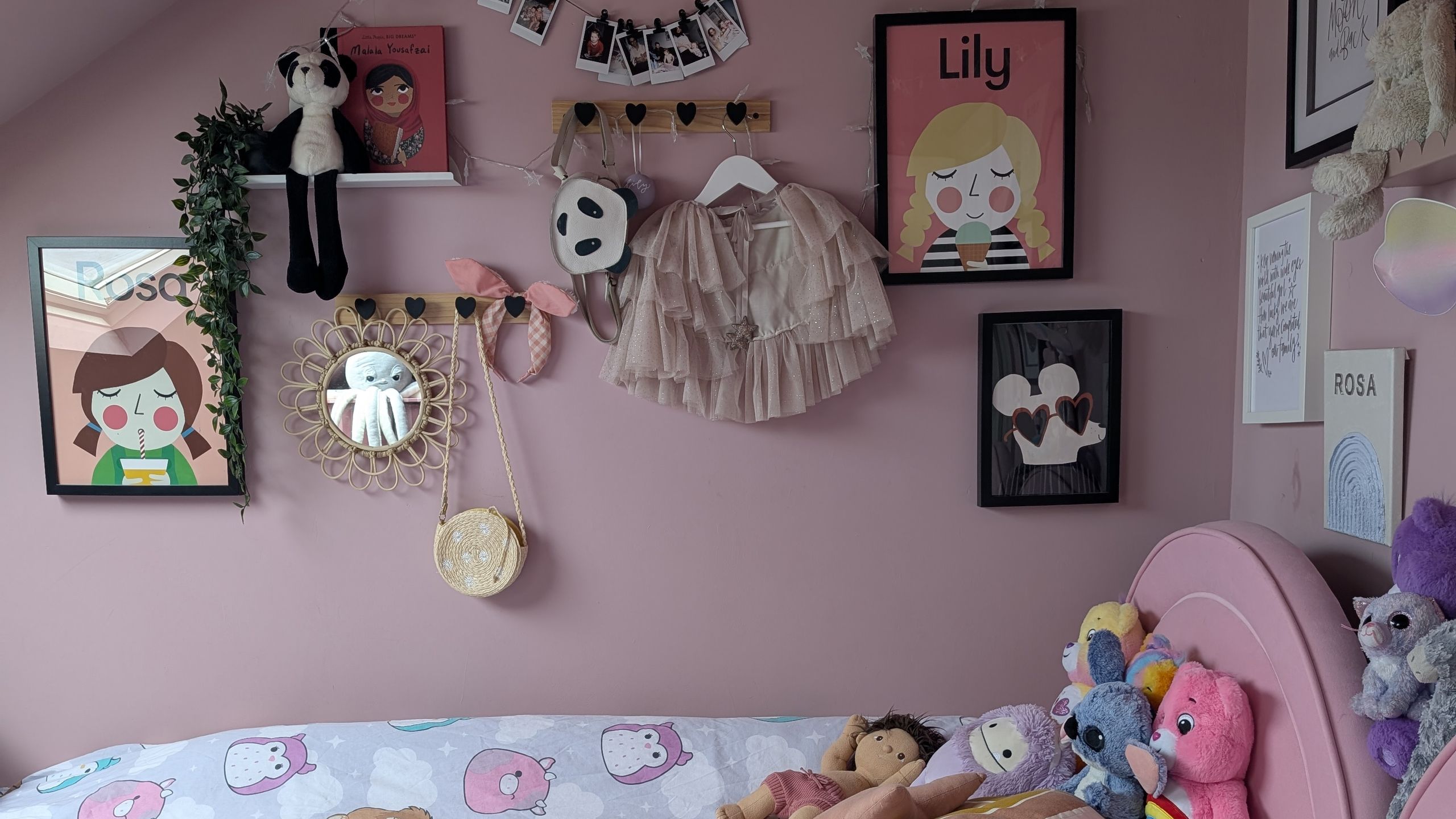
“Color Capping” Is Color Drenching’s Sophisticated Cousin

If you’ve ever stared at your white painted ceiling and thought something felt unfinished, designers have a simple solution for you: color capping. This rising paint trend is all about giving the “fifth wall” some love by extending your wall color upward — just a few inches or even all the way across the ceiling — to create a soft, intentional finish. The result is surprisingly transformative: Rooms feel taller, cozier, and more considered, all without changing a thing about the layout.
“Color capping makes a space feel larger, more layered, and visually interesting,” says designer Tracy Cole of Hello Flora. Interior designer Natalie Papier of Home Ec. typically turns to this tactic in rooms with great architectural detail, like a picture rail, for example. “Anytime there is a natural starting and stopping point to a room, it’s an opportunity to create dimension and contrast with the fifth wall,” she says.
Once reserved for bold decorators, this look is now showing up everywhere from modern apartments to traditional homes — and it proves that a little paint really can go a long way. Ahead, designers break down what color capping is, how it differs from color drenching and color blocking, and why it’s the next big paint trend coming for your home in 2026.

Credit: Photo: Kasia Fiszer; Design: Hilary Marconetto
What is Color Capping?
Color capping is one of those small-but-mighty paint tricks that instantly makes a room feel finished. The idea is to use a hue from the same color family as your walls — typically a few shades darker — and carry that across the ceiling or just above a picture rail to create a subtle, sophisticated contrast.
Designer Hilary Marconetto adds that the approach helps draw the eye upward and change the way a room feels, depending on the shades you choose. “Using paint tones from the same color palette and highlighting the ceiling, usually with the darker tone, helps to draw the eye up to give the room a larger feel or can make a bigger room feel more intimate,” she says.
Think of it as an easy, low-cost way to make your space look more considered. You’re not changing the footprint of your room — just the optics of how it’s perceived.

Credit: Courtesy of Hello Flora
Color Capping vs. Color Drenching
Color drenching and color capping both involve using color on the ceiling. But they create very different moods, thanks to the strategic way color is chosen for application.
“Color capping is different from color drenching, where you wrap the same color over your walls and up onto your ceiling,” says Cole. “Color capping is about creating a tonal difference to your color scheme.”

Marconetto agrees. “Color drenching works to give the illusion of more space and is great in smaller rooms — it gives a softer feel with no contrast lines,” she says. “Capping creates drama — it’s a way of adding in another layer of color, depth, and interest.”
Think of it this way: If drenching is a calm, seamless transition, like what you see in the turquoise living room just above, capping is a refined statement with a little bit of variation in tone. Color capping, in particular, keeps a space balanced while still introducing richness, definition, and dimension.

Color Capping vs. Color Blocking
At first glance, color capping and color blocking both use paint to define a room, but they create very different effects.
Color capping is all about subtlety and flow. It uses shades from the same color family to create a gradual tonal shift, often with a slightly darker hue on the ceiling or just above a picture rail. The result feels cohesive, calm, and architectural, as if the color naturally belongs there. It draws the eye upward without breaking the space apart.

Color blocking, on the other hand, is all about contrast and boldness, which you can see at work in this dining room-meets-staircase area. It pairs distinct, often opposing colors to create graphic chunks of color with highly discernible borders across walls or between walls and ceilings (think: deep navy meeting crisp white, or blush pink capped with forest green). The goal is energy and impact — not continuity.
If color blocking is like hanging artwork with paint, color capping is more like framing the room itself. It’s quieter, more polished, and perfect when you want depth without distraction.

Why Is Color Capping the Next Big Paint Trend?
Both designers I spoke to think color capping is on the rise because it’s cost-effective and approachable in terms of paint projects. And this technique instantly changes the way a room feels.
“I think this trend is taking off because it’s a striking way to add interest to a room without using too many colors,” says Cole. “By using a subtle gradient darker than your walls, you draw the eye up and create a sense of space.”
Marconetto adds that paint trends have evolved away from the safe default option of white. “Paint is a cost-effective way of transforming a room, big or small,” she says. “It’s a great way of playing with color and incorporating darker tones without committing to them on all the walls. I think people are becoming more open to painting the full space in color and not just sticking to a white ceiling.”
She often uses this technique for clients who want personality without a major punctuation mark. “If a client doesn’t want a dark interior but wants to add a touch of drama, it’s a great way of injecting color without painting it all over the walls,” she says.
Design Defined
Never miss the style inspo and recommendations you crave with Design Defined. Follow along each week as our Home Director Danielle shares the best style advice, latest trends, and popular decor finds you just can’t miss.
Subscribe to Apartment Therapy!
Further Reading
Partner: Create Your Own Interior Design Mood Board | Apartment Therapy
Marie Kondo’s Method for Storing Kitchen Towels Is the Only Way to Store Kitchen Towels
Try This 2-Second Trick to Double the Storage Size of Your Baggie
link