How to Ensure Your Kitchen Has Good Flow
Designing a kitchen today is about far more than cooking. It’s about orchestrating a dynamic space that adapts effortlessly to both daily routines and entertaining, while reflecting the individuality of those who use it. The best kitchens strike a delicate balance—between performance and personality, everyday rituals and moments of celebration.
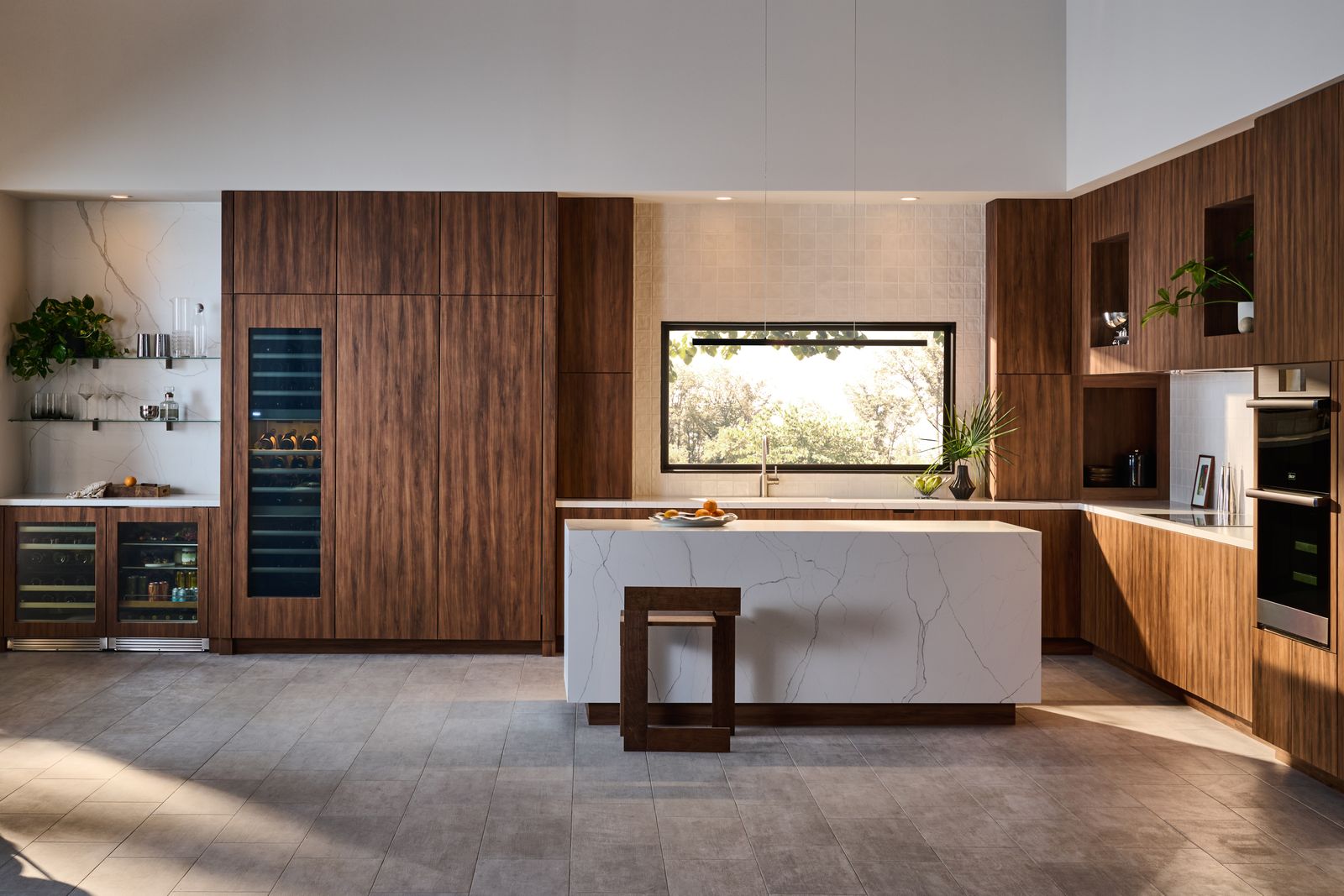
But, what does that balance look like in practice? One of the fundamentals of kitchen planning is zoning: creating distinct areas for cooking, cleaning, and refrigeration that work together without competing. In a new concept kitchen by luxury appliance brand Dacor, for example, the cooking zone is anchored by an induction cooktop and combi oven, while the sink, dishwasher, and refrigeration runs along the opposite wall. This clear organization makes it easy to move between tasks, keeping the space intuitive and efficient.
Luxury appliance brand Dacor has explored the question of kitchen design through a concept kitchen that illustrates the principles that underpin successful contemporary design. “The inspiration for this space originated with the desire to create an open concept design with an overall natural feel,” explains Maddalena Nicolosi, senior kitchen design and innovation manager at Dacor. The Dacor dishwasher seamlessly disappears into the walnut joinery, maintaining a unified look while still providing a powerhouse in features and performance.
Just as important as layout is the palette of finishes, as materials not only set the tone for the space but also determine how well appliances integrate. In recent years, there has been a shift away from more industrial or clinical finishes towards natural materials—such as the walnut used in the Dacor kitchen, which features a natural grain and reddish tones. By discreetly locating appliances behind panels, the kitchen achieves a unified, uncluttered look.
“The finishes selected are meant to evoke a warmer feel than what we’ve seen in the design industry in the last few years,” explains Maddalena Nicolosi, senior kitchen design and innovation manager at Dacor. “Clients are increasingly looking for that sense of warmth and personalization, as well as natural materials.”
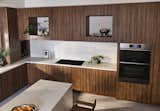
The walnut millwork in the Dacor concept kitchen is a standout example of how natural materials can be used to create a warm and welcoming kitchen.
Another hallmark of good kitchen design is how appliances work with the architecture. Panel-ready refrigeration and dishwashers—something Dacor specializes in—can disappear behind cabinetry, while flush installation of ovens and cooktops keeps sightlines clean. Even ventilation can vanish into the millwork. The result of this approach is a kitchen that feels more like a living space than a utilitarian one.
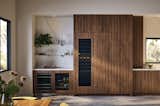
The Refrigerator and Freezer Columns seamlessly integrate into the walnut joinery, while the Beverage Refrigerator and Wine Cellar feature elegant glass fronts that showcase their contents as part of the design. “Dacor’s Panel Ready products make matching a palette effortless,” says Nicolosi. “Whether you are working with wood veneers, laminates, or glass, Dacor will fit your needs.”
At the same time, each piece brings the kind of advanced functionality that makes cooking family meals and entertaining loved ones a breeze. The combi oven merges speed, convection, and steam in one unit; the induction cooktop incorporates a 7-inch LCD screen with guided cooking features; and the refrigeration columns ensure precision cooling with minimal temperature fluctuation, keeping produce fresher for longer. “The appliances make a kitchen what it is today,” says Nicolosi. “They offer both discretion and performance, so designers can either highlight them as a centerpiece or let them quietly support the overall vision.”

Discreet appliances don’t mean compromise on performance. Dacor’s panel-ready 36-inch Column Refrigerator and Freezer pair, for example, offers unmatched organization for all your favorite foods.

The Dacor combi oven is another example of form and functionality coming together, combining the power of a microwave and convection technology to enable searing, broiling, and even healthy frying.
Ultimately, the key is flexibility. A kitchen should be able to shift between weekday efficiency and weekend hosting, between being a discreet backdrop or center stage for culinary theater. Dacor’s concept demonstrates how thoughtful planning—clear zoning, warm materials, and appliances that integrate as well as they perform—can make that adaptability possible.

Smart appliances make daily cooking and entertaining easier and more enjoyable. The Dacor induction cooktop, for example, features a 7″ LCD touch screen that offers expert features such as guided cooking.
For homeowners and designers alike, the takeaway is to begin with intention. “When designing a kitchen space, consider what your needs are and make those a prominent focus,” advises Nicolosi. “This could be a 48-inch range, or larger refrigeration for food storage. Be sure to take the time to acknowledge your needs and integrate them well.”

A full-size wine fridge makes a statement in the kitchen, and is ideal for people who regularly entertain. Dacor’s fully integrated, full-sized wine column holds up to 100 bottles of wine in three independently cooled zones.

An undercounter wine cellar—such as this one by Dacor with an innovative GlideRack system for easy access—keeps favorite bottles at hand. Plus, its argon-infused Triple-Pane Glass Door protects your collection from UV rays and temperature fluctuations.
A kitchen is often said to be the heart of the home. When it’s well-designed, with appliances that work in harmony with the architecture to reflect the identity of its occupants, it becomes more than a place to cook. It becomes a space where design, innovation, and daily rituals converge.
Learn more at dacor.com.
link

:max_bytes(150000):strip_icc()/GettyImages-544347092-69d2e73c38f345a7baa16f89d6570186.jpg "This Kitchen Countertop Style Is So 2010s")