Top bathroom and kitchen design trends in the Netherlands for 2025

From sustainable innovations to compelling aesthetics, bathroom and kitchen designs are constantly evolving. In the Netherlands, these spaces have become more than just functional rooms in a house they reflect contemporary lifestyles and personal identities. As we step closer to 2025, exciting trends are beginning to surface in Dutch interiors, mixing creativity, functionality and sustainability into striking designs. Whether renovating your space or building from scratch, retailers like Voordelig Design Sanitair showcase inspiration that aligns perfectly with upcoming trends. Let’s explore the major bathroom and kitchen design trends projected to dominate Dutch households in 2025.
Attention to detail: taps and fixtures take the spotlight
Taps, handles, and fittings elements previously considered merely functional are now becoming focal points for design enthusiasts. Elegance and distinctiveness in fixtures is rapidly gaining attention in the Netherlands. Choices in bathroom and kitchen taps are highly influenced by aesthetics, with finishes such as matte black, brushed gold, and antique brass rising significantly in popularity. These distinctive finishes provide a sharp visual contrast against minimalist surroundings, creating focal points within carefully curated spaces. Additionally, ergonomic designs cater to usability and accessibility, highly valued among different age groups. Comfort-oriented fitting positions, touchless sensor taps, and temperature-sensitive faucets will contribute to superior practicality and easier operation in daily life.
Sustainability and eco-friendly designs
Environmental awareness has significantly shaped consumer decisions in recent years, and this is no different in bathroom and kitchen interiors. Durable, eco-friendly, and recyclable materials are set to become predominant choices. Materials like recycled glass, sustainable timber, bamboo and reclaimed metals offer style without harming the planet. Dutch households are also prioritising water-saving fittings, intelligent taps, and low-flow shower heads. These technologies minimize water usage without reducing functionality, reflecting a growing commitment among Dutch residents to sustainability. This trend isn’t solely applied to materials. Manufacturers are increasingly transparent about their production and supply chains. Consumers actively seek out ethically produced and responsibly acquired products. Certifications for sustainable products and energy efficiency will become more prevalent by 2025, guiding informed choices.
Nordic minimalism and clean lines
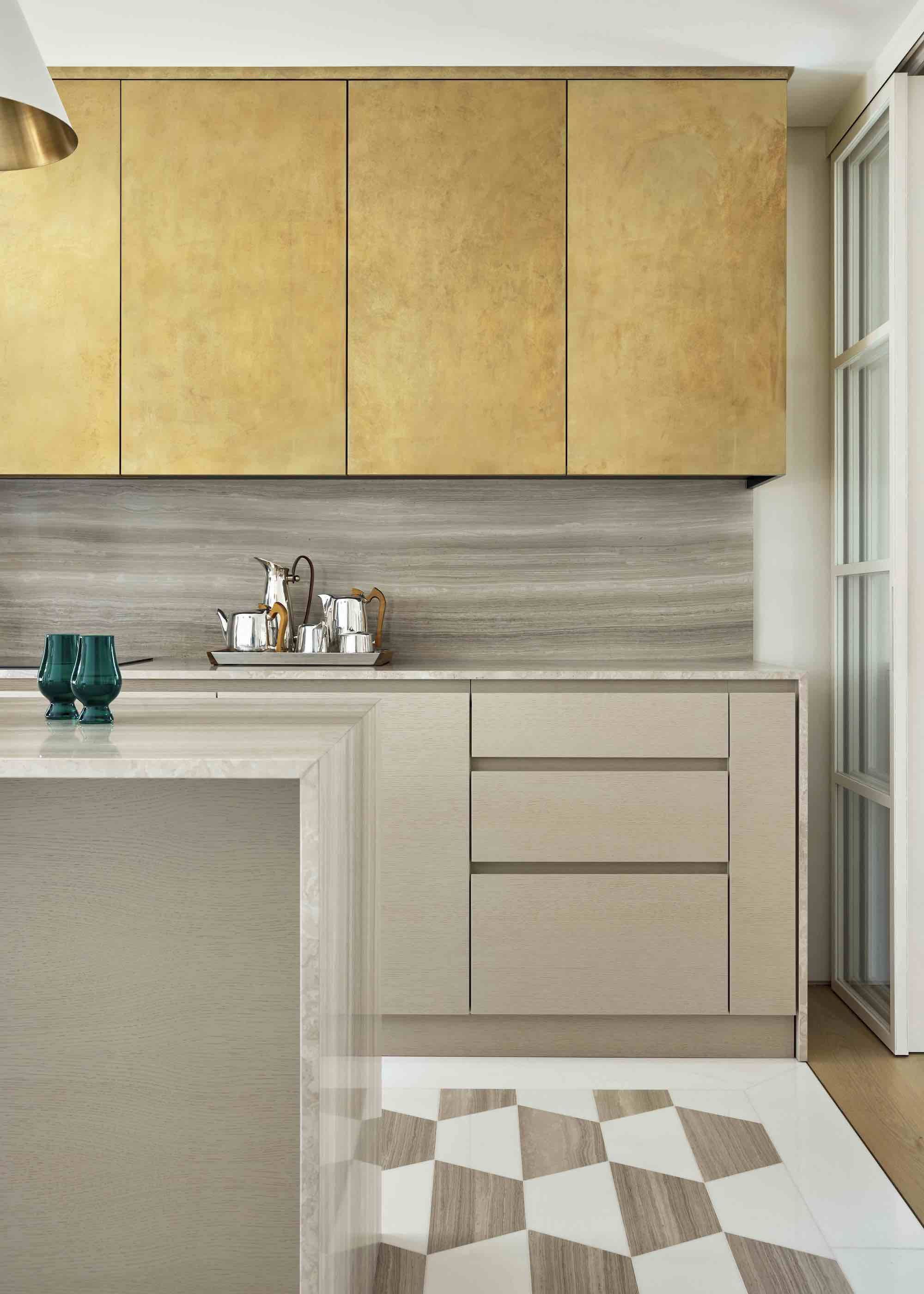
The Scandinavian influence continues to resonate strongly in the Netherlands, becoming even more appreciated for bathrooms and kitchens. Nordic minimalism emphasizes spaciousness, cleanliness and functionality, with an understated, elegant aesthetic. Neutral tones, such as whites, soft greys, beiges, and earthy pastels serve as the preferred palette, creating serene and relaxing spaces. Furniture and cabinetry often feature clear edges and simple geometry, allowing interiors to feel tranquil yet sophisticated. In kitchen designs, storage becomes seamlessly integrated, hiding appliances and clutter entirely from view. Spatial planning also improves, following logical workflows that enhance practicality during cooking and dining. Bathrooms reflect a similar minimalistic trend, favoring seamlessly integrated storage solutions and cabinetry that blend naturally with sinks and mirrors. The combination of form and function remains central to Dutch interior preferences, with balance and harmony becoming ever more prominent as we approach 2025.
Innovative technology and smart fixtures
Smart home technologies are progressively shaping the way we live, with bathrooms and kitchens becoming clear focal points for upcoming advancements. Intelligent mirrors, digitally adjustable lighting systems, and automated climate controls are being increasingly integrated. By 2025, kitchen spaces in particular will incorporate innovative technology that optimizes functionality and efficiency, from touch-controlled induction cooktops to app-connected appliances controlled remotely via smartphone. Smart fixtures are also revolutionizing bathroom design, offering customization and control to users. Showers with personalized temperature settings, integrated Bluetooth speakers, and humidity-sensing ventilation systems are gaining momentum. Comfort, convenience, and luxury become intertwined thanks to these intelligent technologies, catering to an increasingly tech-savvy populace.
Organic and biophilic trends for improved well-being
Biophilic design connects occupants more closely to nature and is increasingly prominent throughout Dutch interiors. Natural materials, abundant greenery, and daylight infusion enhance home wellness, positively affecting both physical and mental health. Kitchens open up toward terraces and garden spaces, incorporating living plant walls or herb gardens, bridging indoor and outdoor spaces seamlessly. Bathrooms utilize similar organic elements to transform into spa-like retreats, incorporating wood-textured walls, stone surfaces, and lush hanging plants. Skylights and full-height windows introduce natural brightness and bring a sense of calmness and tranquility. Organic textures and patterns gaining popularity in 2025 emphasize the Dutch preference for environments that nurture and rejuvenate residents daily.
link

:max_bytes(150000):strip_icc()/GettyImages-544347092-69d2e73c38f345a7baa16f89d6570186.jpg "This Kitchen Countertop Style Is So 2010s")