
Retrojets: The iconic airline liveries of yesteryear that have made a return
Aircraft external paint schemes (‘liveries’) have come a long way over the decades. From the most basic designs featuring a minimal splash of color on an otherwise bare metal fuselage to today’s elaborate schemes, applied using the most advanced painting techniques and the widescale use of decals to complete the look, the world of airline liveries has transformed from the functional to the pinnacle of aesthetics.
However, despite the advancement of commercial aircraft livery design and application, a trend has evolved whereby airlines have been revisiting old liveries and re-applying them to modern aircraft. Reproducing nostalgic color schemes worn by fleet members in years gone by and revitalizing the spirit of yesteryear has become increasingly popular in the commercial airline space, with more carriers embracing the concept of the ‘retrojet’, as they have become more commonly known, than ever before.

In this article, AeroTime looks at the developments in airline livery design that have led us to where the industry is today and takes a closer look at how the retrojet concept has been transformed from a simple idea into an industry-wide phenomenon.
Airline livery trends – a brief history
Airline companies paint their aircraft in unique liveries to promote their company and its brand, and to differentiate them from the competition. But while the modern-day livery has become a work of art (in many cases), this has not always been the case. From largely bare metal aircraft with a few selected areas painted, largely to prevent corrosion, to the vibrant displays seen on commercial aircraft today, things have certainly come a long way over the past 90 years or so.
From the birth of passenger aviation in the 1920s until the end of World War Two, airlines operated with remarkably simple liveries, largely comprising little more than the airline name, possibly a small logo, and aircraft registration. In those early days, aircraft paint was both expensive and heavy, plus techniques for getting paint to adhere to smooth aluminum surfaces were rudimentary. Therefore, most aircraft of the age featured bare metal finishes and little else.

Throughout the late 20th century, particularly in the 1970s and 1980s, cheatlines emerged as the main feature of aircraft livery design. The term cheatline refers to a decorative colored stripe painted across the fuselage of the aircraft, which was often applied across the window line of the fuselage, giving the aircraft a more streamlined look (consider Pan Am or even Virgin Atlantic’s first scheme).

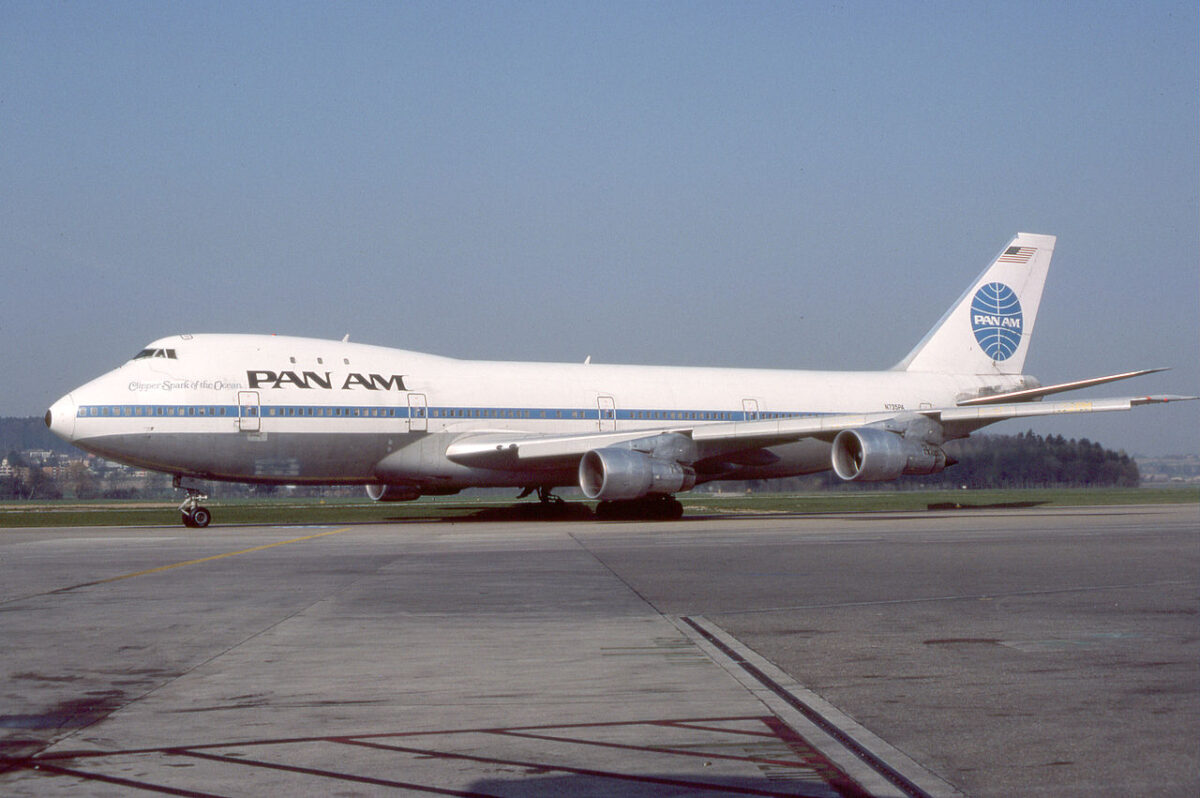
The trend developed later into using cheatlines that only run partly along the fuselage, providing an artistic twist to the trend. Some airlines, such as American Airlines, used a three-colors-in-one cheatline design, using red, white, and blue elements to portray the company’s patriotism.
In the 1990s and 2000s, the wider use of vibrant colors and designs in airline liveries began to take off. The birth of the ‘Eurowhite’ trend saw increasing numbers of airlines use predominately white fuselages with just a splash of color on the tail, engines, and winglets to promote their brands. This trend even continues today, with countless airlines worldwide adopting this approach, which also facilitates the transfer of aircraft between carriers or from leasing firms to airlines with minimal repainting costs.
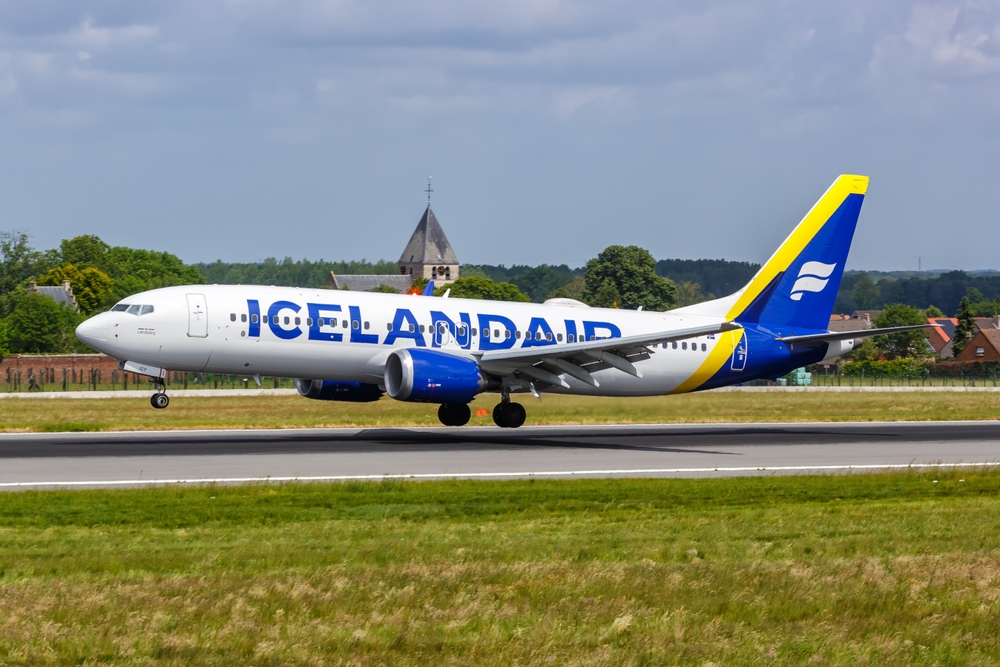
The trend since 2010 in particular has been the use of the ‘billboard’ style lettering along the side of the fuselage across the window line, with numerous airlines adopting this approach. Just a few modern-day examples of this trend include JetBlue, Air India, Virgin Atlantic, Emirates, and Icelandair.
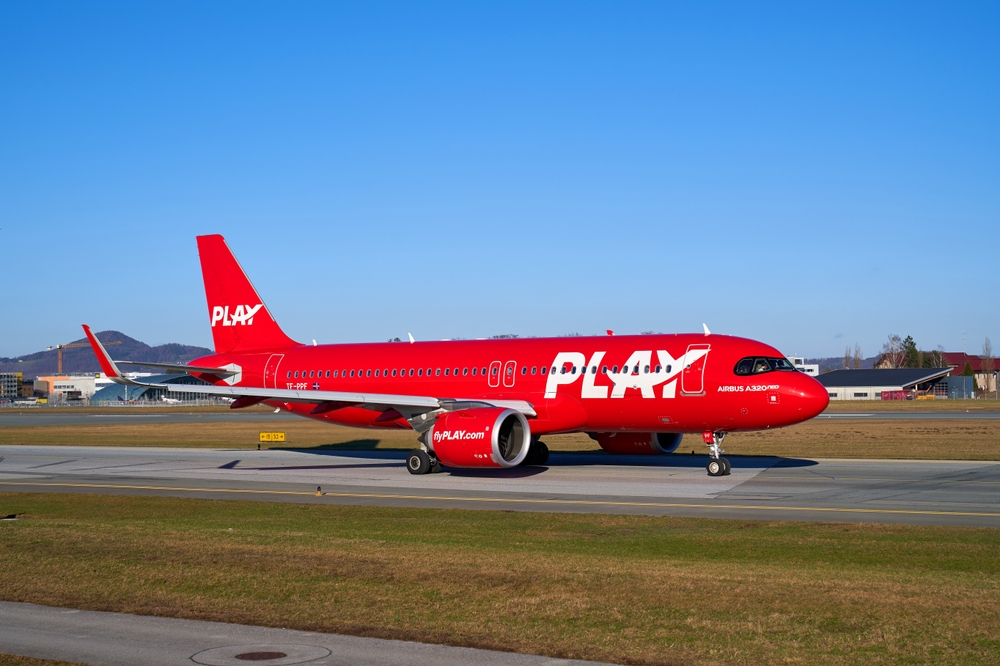
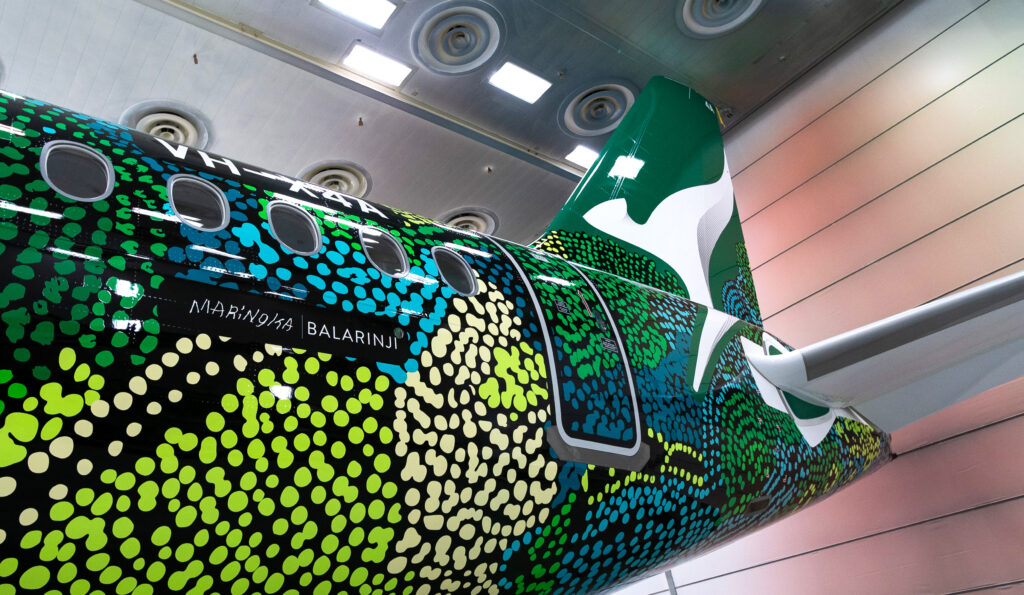
More recently, some carriers have completely gone their own way in terms of aircraft color schemes. While many airlines have embraced the phenomenon of commemorative schemes highlighting everything from soccer teams, global EXPO events, sponsorship deals, and others, some airlines have taken advantage of new advanced technology color paints, choosing to paint their whole aircraft in a single stand-out color – such examples including Spirit Airlines and PLAY Airlines.
With new paint technology and the increasing use of decals (adhesive stickers that can be applied to almost any part of an airframe to depict imagery or additional color), there can be little doubt that airline livery design will continue to evolve in the future.
The birth of the retrojet
The 1980s saw the wholesale beginnings of a whole new trend in aircraft livery design – the so-called ‘retrojet’. This trend started slowly, gathering both pace and popularity in the 1990s and 2000s as airlines worldwide began to celebrate key milestones or anniversaries in their history, while others realized the marketing and publicity potential of revisiting former color schemes and playing on the consumer’s nostalgic subconscious.
The retrojet concept has nowadays been widely adopted, with many airlines now having at least one of its aircraft flying around wearing a livery that the airline phased out possibly decades ago. The launch of a new retrojet scheme presents a whole new opportunity for the airline to self-publicize, using various means including social media platforms to showcase their ‘new-old’ design and capture the imagination of potentially millions of travelers.

From the smallest airline to the world’s largest carriers, retrojets have been used as an integral part of ongoing marketing efforts, with retrojets being used for publicity and marketing purposes as well as continuing to fly revenue passenger flights. With modern passenger aircraft requiring a full repaint every few years, many airlines see this as an opportunity to repaint the plane into a retro scheme, thereby avoiding the cost of taking an aircraft out of service simply to apply a nostalgia-laden livery.
We will now take a whistle-stop tour of some of the most iconic airline retrojet schemes that have adorned commercial passenger planes in recent years. While this list is not intended to be exhaustive, and other retrojet schemes can be found, it gives a flavor of just how widespread the use of retrojet schemes has become – a trend that currently shows no signs of abating.
North America
Several airlines across North America have embraced the retrojet trend over the years, with some airlines even presenting several retrojet liveries in their fleets. Starting in Canada, the country’s national airline Air Canada has both an Airbus A320 and a more modern Airbus A220-300 painted in the 1950s-era color scheme of Trans Canada Air Lines, a predecessor to the modern-day Air Canada.

/ Wikimedia Commons
Featuring a largely solid grey fuselage to represent the bare metal fuselage of the day. The livery also features a red and white window cheatline along with the airline’s ubiquitous maple leaf logo on the tail.
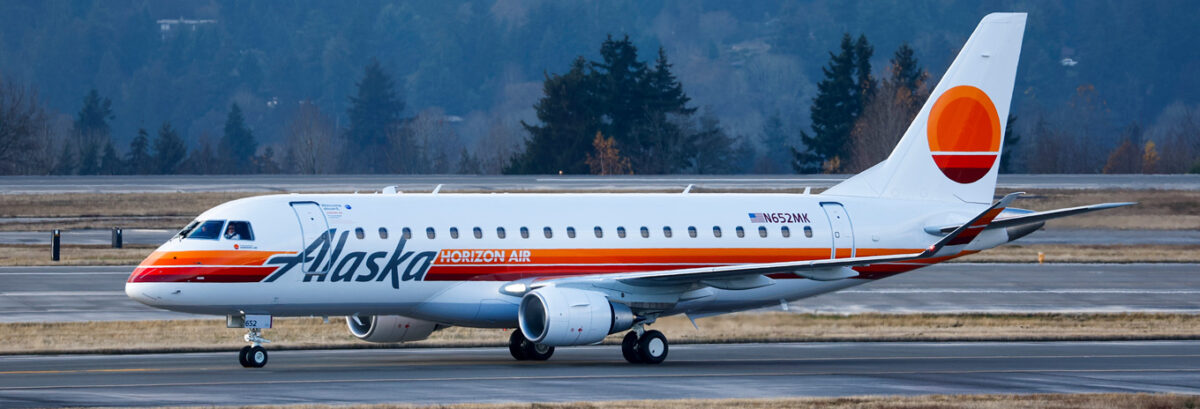
Alaska Airlines operates three retrojet aircraft featuring liveries from its history. First is an Embraer ERJ-175 in the 1990s-era livery of Horizon Air. The regional airline remains a wholly-owned subsidiary of Alaska Airlines, with its aircraft now painted in full Alaska Airlines colors. However, the Embraer jet wears the orange, red, and blue ‘meatball’ livery used by Horizon Air when it flew as an independent carrier.
Alaska Airlines’ other retrojet is a Boeing 737-800 that features the 1990s livery worn by the carrier’s early Boeing 737s. The livery consists of narrow blue and green cheatlines with the airline’s ‘Smiling Inuk Man’ image on the tail with large Alaska billboard titles. Additionally, another 737-800 features a 1960s-era livery which is largely grey in overall color with subtle navy blue cheatlines and vintage titles.
Coming further south, several US airlines have adopted the retrojet trend. In 2022, Southwest Airlines painted one of its 737-800s in the company’s original ‘Desert Gold’ scheme dating back to the 1970s. Designed to honor the airline’s founder, Herb Kelleher, the aircraft features the ochre, orange, and red livery that the first Southwest Airlines 737-200s wore when the airline began flying in 1971.

Delta Air Lines, celebrating its centenary year in 2025, has a good deal of history to draw upon for its retrojet offering. In 2004, the airline repainted its first Boeing 767-200 in a special scheme to mark the airline’s 75th anniversary (somewhat late). The aircraft carried the livery but was eventually painted back into the airline’s 1980s-era white, black, and red ‘Widget’ scheme for display at the Delta Air Lines Museum.
The fleet of United Airlines has featured several retro airline liveries over the years. One A320 is operating in a vintage ‘Friend Ship’ livery dating back to the 1960s and early 1970s, while another A320 wears a Continental Airline scheme of the 1960s (Continental merged into United Airlines in 2010).

By far the most active US airline in the retrojet arena has to be American Airlines. In 2023, the airline revealed a series of its aircraft featuring the color schemes of airlines that have merged into the carrier over the years, with some iconic names being given a new lease of life through the process.
Carriers such as Allegheny Airlines, AirCal, TWA, Piedmont Airlines, US Airways, America West, and Reno Air have all reappeared in livery form, with their colors being displayed on Airbus A319s and Boeing 737s. American Airlines also has two of its own retrojets, too – one 737-800 carrying the carrier’s ‘Astrojet’ silver livery from the 1950s, while another wears the three-color cheatline livery from the 1980s and 1990s.


South America
With a rich heritage of airlines over the decades, carriers across the continent of South America have also embraced the retrojet trend.
Aerolineas Argentinas painted one of its Boeing 737-700s into the company’s 1980s-era color scheme, while Avianca has followed the lead set by American Airlines by painting a series of aircraft in the colors of airlines that have merged into the Colombian carrier (TACA, Aviateca, LACSA) as well as operating one of its A320s in an Avianca retro scheme.
Lastly, COPA of Panama revealed a 737-800 retrojet wearing the carrier’s former white, red, and yellow scheme to commemorate the airline’s 75th anniversary in 2022.

Europe
It would be fair to say that Europe’s airlines have been the most prolific in embracing the whole retrojet phenomenon. One does not need to travel far across the continent to come across an airline that has its retrojet, painted in a historic scheme. Indeed, the list of airlines that operate an aircraft in a vintage livery is too extensive for this article, save that some airlines even have more than one, given the age of the airline and its rich and lengthy history.


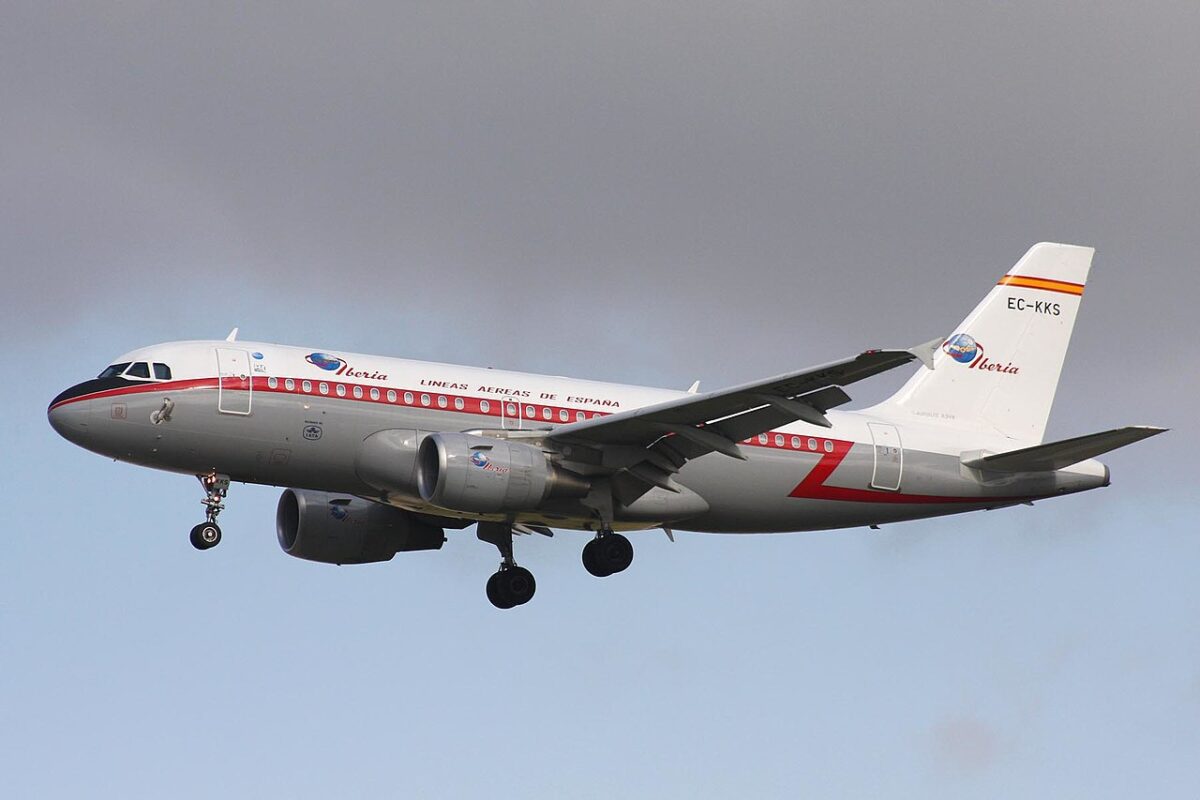
European airlines that have a retrojet flying in a vintage scheme include –
- Austrian Airlines – Airbus A320
- KLM – Boeing 737-800
- Iberia – Airbus A319
- Finnair – Airbus A319
- SAS – Airbus A319
- Condor – Boeing 767-300
- TAP – Airbus A321
- LOT – Embraer ERJ-170
- Aer Lingus – Airbus A320
- TAROM – Boeing 737-700
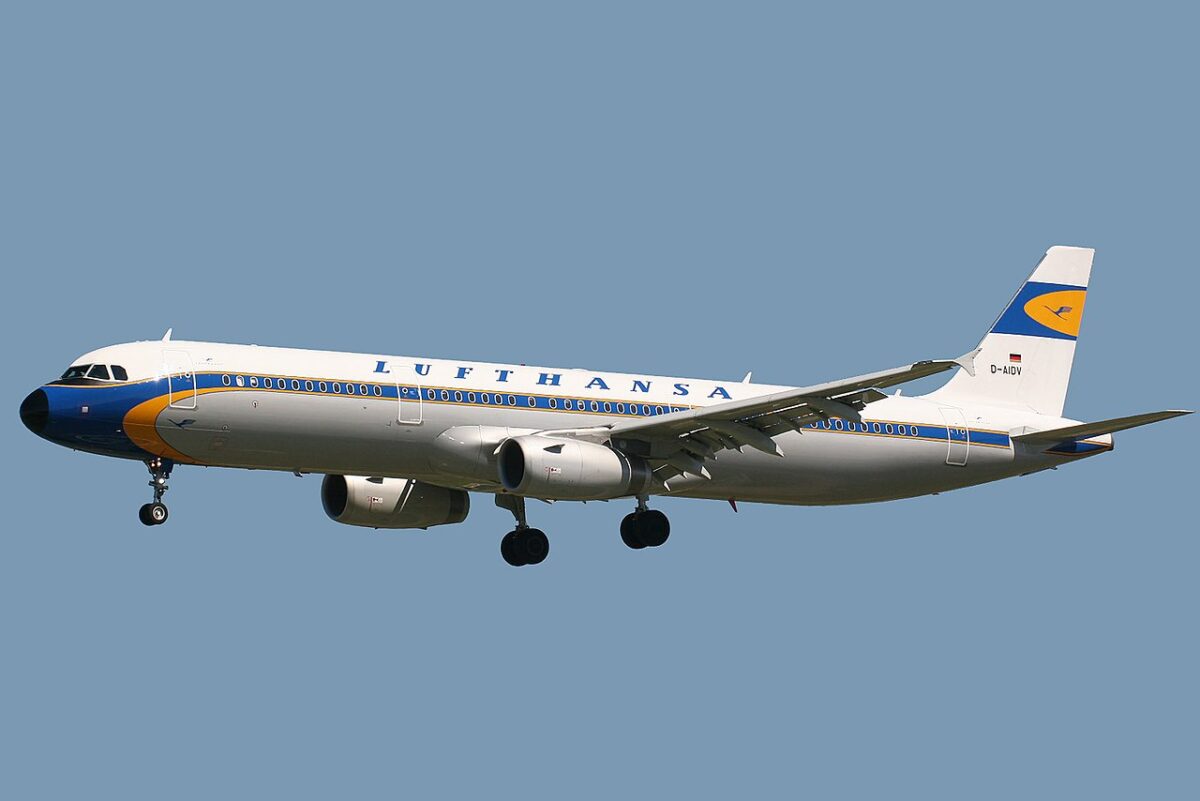
Among the other European airlines using retrojet liveries, Lufthansa has two Airbus A321s wearing a 1960s-era scheme, while a Boeing 747-8 wears the classic but simple ‘Flying Crane’ livery from the 1980s.

Staying in Germany, leisure airline TUI operates one Boeing 737-800 in a 1980s Hapag Lloyd Flug orange and blue livery while another of the airline’s aircraft features a unique three-in-one livery featuring the liveries of the airlines that eventfully became part of TUI – Hapag Lloyd Flug and Hapag Lloyd Express, with the current TUI scheme at the front end – a good example of an airline truly embracing its history uniquely and imaginatively.

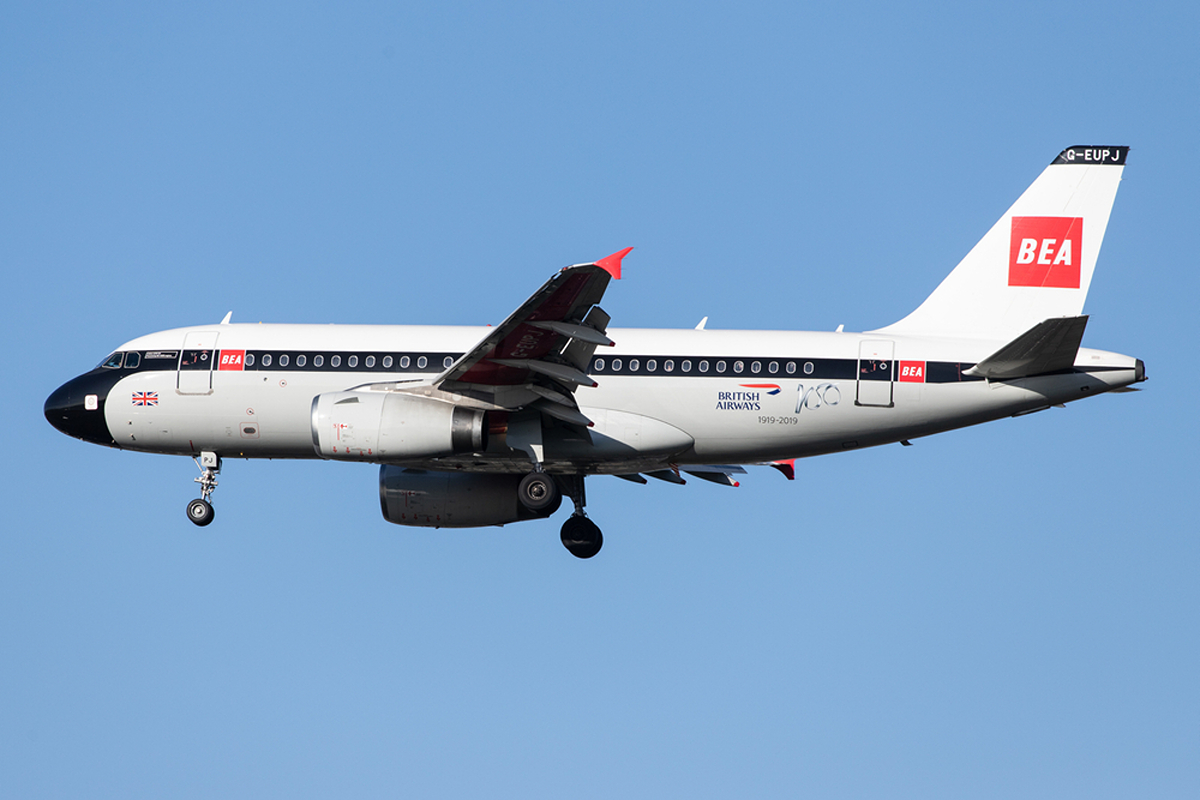
Like Lufthansa, British Airways has embraced different eras in its history by using several liveries to depict the airline’s evolution. In 2019, the British flag carrier unveiled four aircraft painted in different retrojet schemes at its London-Heathrow base. Three were Boeing 747-400s (all since scrapped, sadly) which wore the 1970s BOAC scheme, the 1980s ‘Negus’ scheme, and the 1990s ‘Landor’ scheme.

The final aircraft to be included in the retrospective quartet was an Airbus A319 that was rolled out in a 1960s British European Airways livery. This last aircraft is the only one of the four still serving with British Airways and continues to fly revenue passenger flights for the airline today.
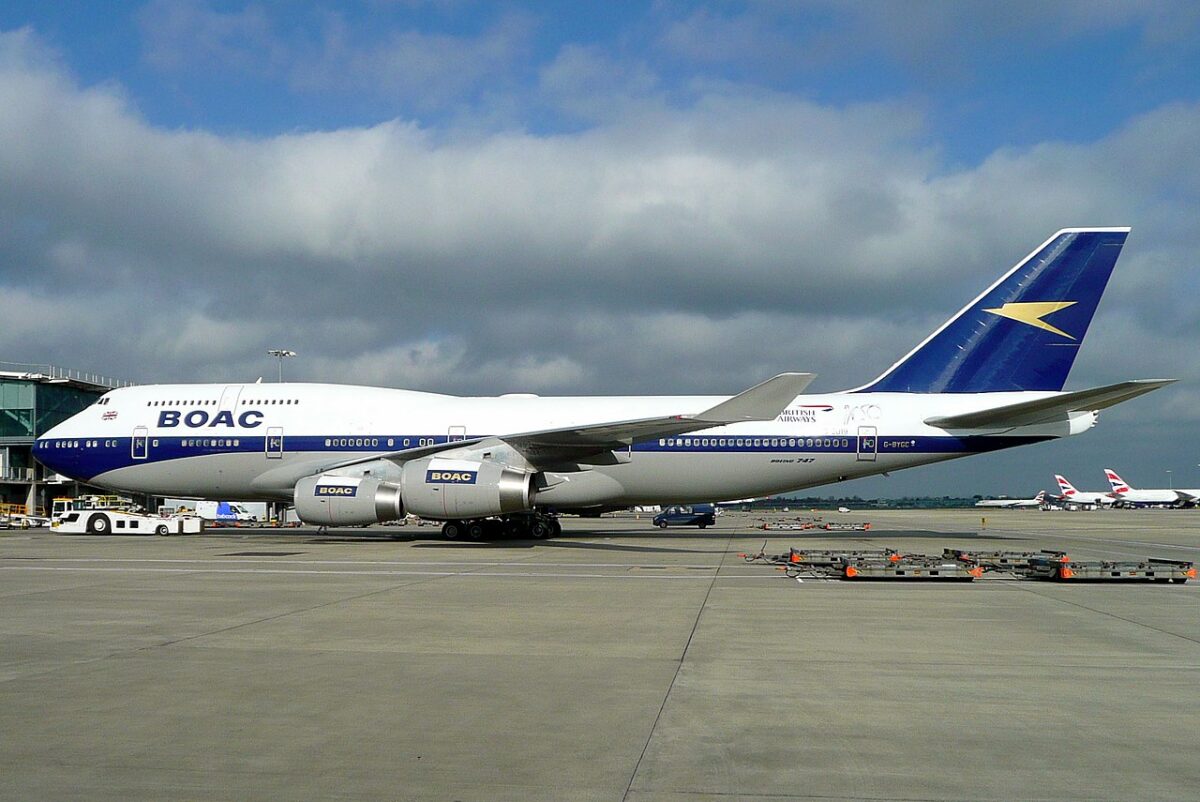
While Air France previously had an Airbus A320 featuring a retro scheme for a few years post-2010, the aircraft was eventually repainted into the conventional Air France scheme and was not replaced, ending the French carrier’s association with the retrojet.
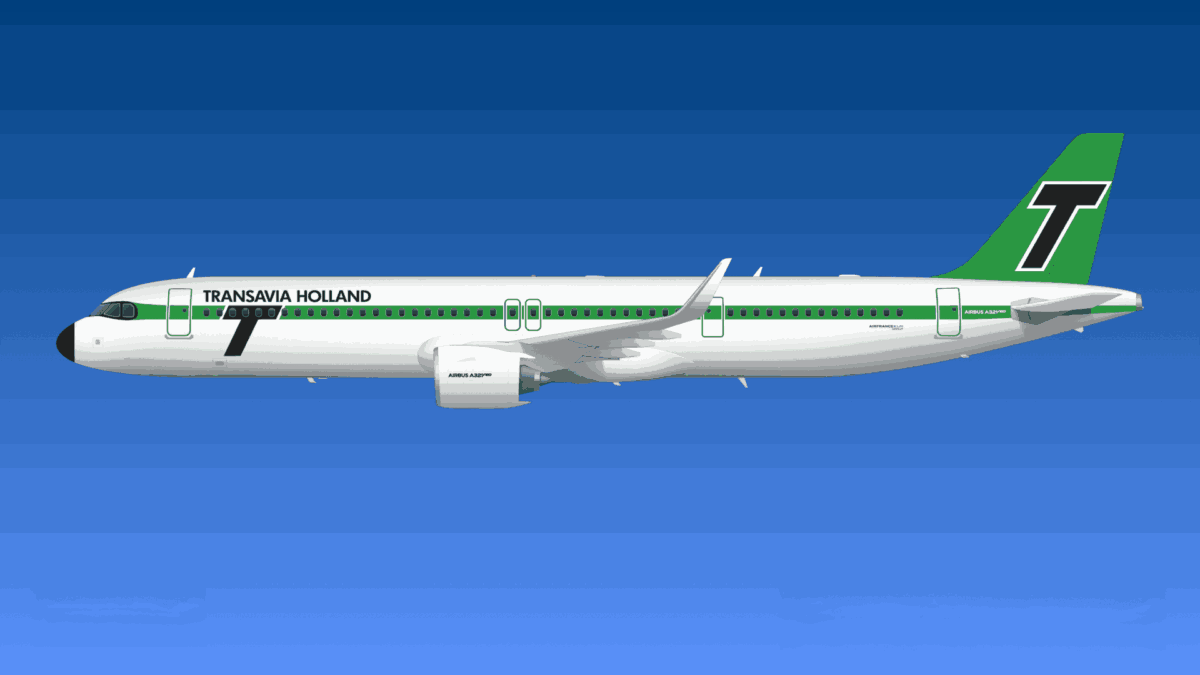
However, worth mentioning at this point is that Dutch-based airline Transavia (part of the Air France-KLM Group) is poised to launch Europe’s latest retrojet in the summer of 205 as the carrier begins flying a new Airbus A321neo painted in a special retro scheme to mark the carrier’s 60th anniversary.
Africa, the Middle East and beyond
The retrojet fad has not just been limited to the Americas and Europe. Numerous airlines elsewhere in the world have also jumped on the vintage bandwagon, with each selecting one aircraft to proudly wear a special commemorative retro scheme.
While African airlines have been slower to adopt retrojet liveries, examples do still exist on the continent. In the north of the continent, Tunisair has previously operated a retrojet in the past. The carrier had a Boeing 737-600 painted in the company’s old livery for its 70th anniversary, although this aircraft was retired in 2021.
Moving away from Africa to the Levant and the Middle East, Turkish Airlines has two aircraft painted in the carrier’s colors of the 1970s and 1980s, an Airbus A330-200 plus an A320. Lebanon-based Middle East Airlines (MEA) had an Airbus A320 painted in a special vintage scheme for a time although, according to photographic evidence online, this airframe has since been painted back into the carrier’s predominantly white livery.

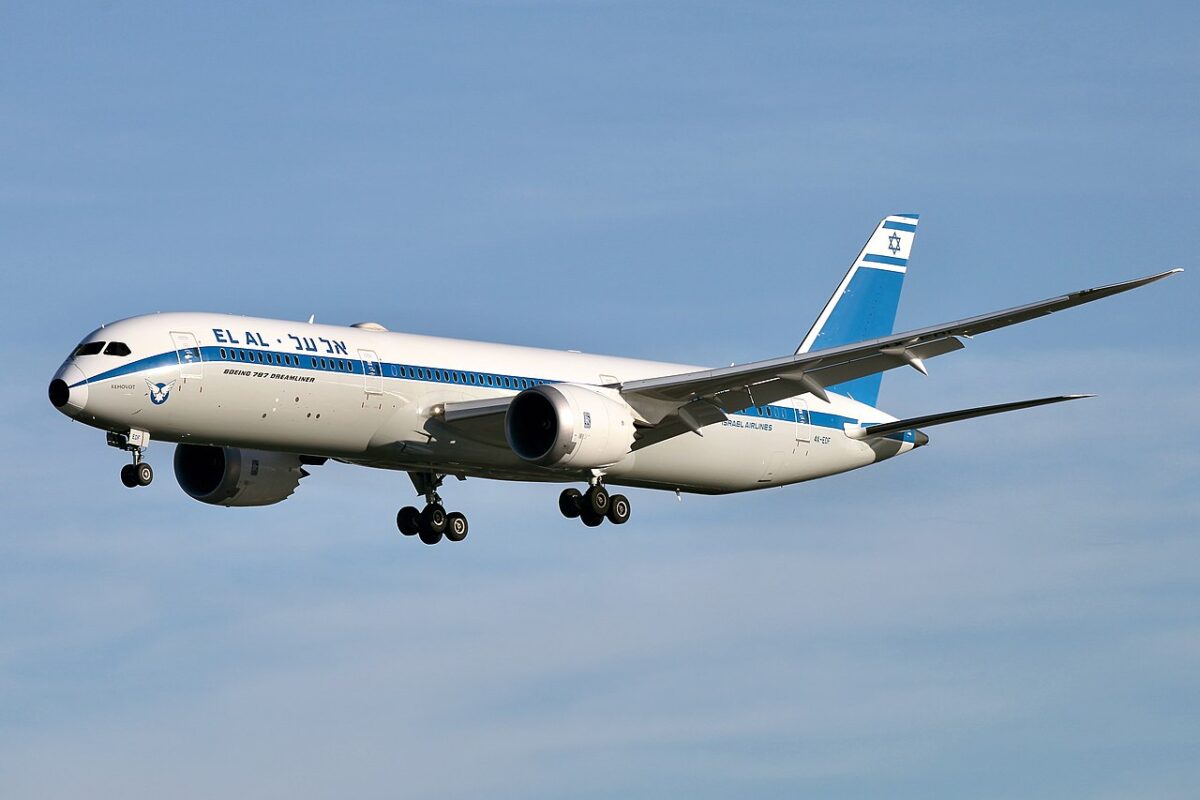
Royal Jordanian Airlines has one of its A321s finished in a retro livery from 1980. Known as the ‘Alia’ livery, the color scheme was unveiled as part of the airline’s centenary celebrations. Israel’s El Al is also no stranger to the retrojet trend, with one of its Boeing 787s painted in the airline’s 1960s livery to mark the airline’s 70th anniversary.
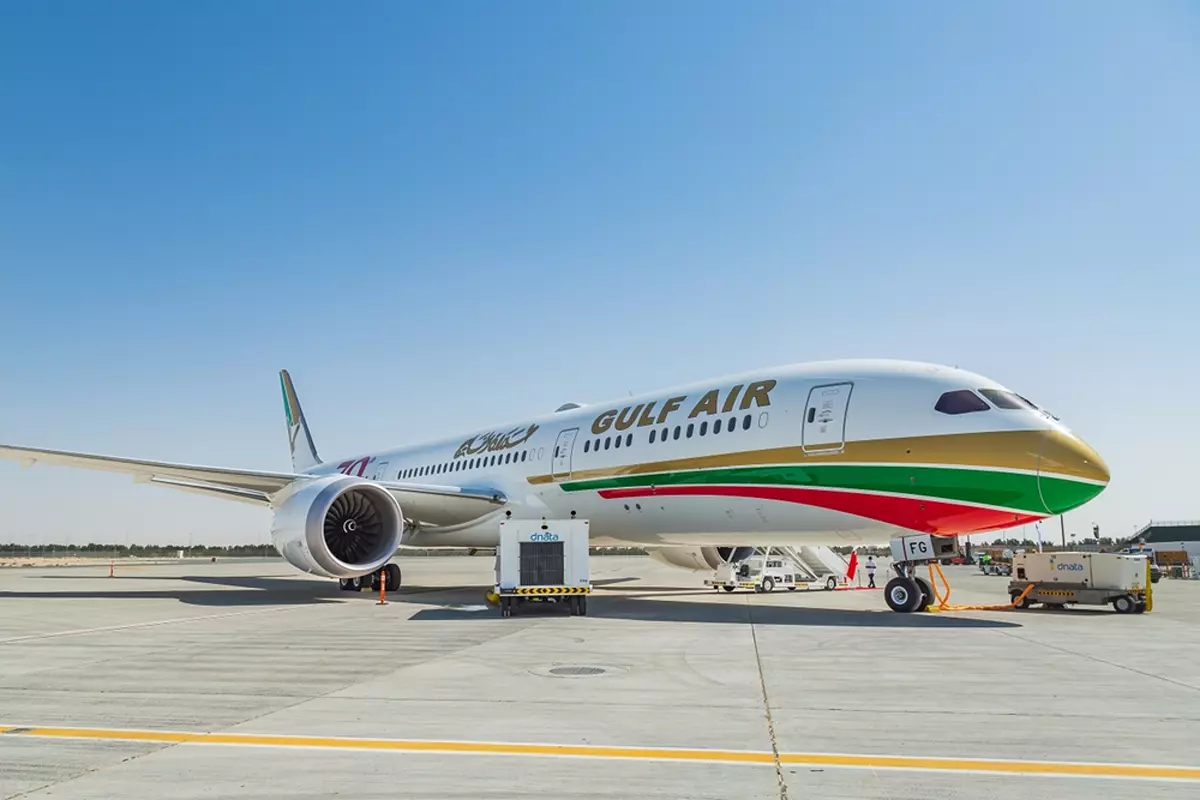
Moving further beyond Africa, even airlines in the Middle East have adopted retro liveries for some of their aircraft. Gulf Air and Qatar Airways both operate retrojets, with the former flying a Boeing 787-9 in colors worn by the airline’s fleet of Vickers VC10s and Lockheed Tristars in the 1970s and 1980s, while Qatar Airways has one of its Boeing 777-300ERs that wears the carrier’s deep burgundy livery which first appeared in the late 1980s.

Interestingly, Saudi Arabian Airlines (Saudia) introduced a retrojet in the early 2020s which featured the airline’s livery from the 1980s. However, the airline’s board must have liked it so much, that it has since been adopted as the carrier’s ‘new’ color scheme for its fleet, in a classic case of “what goes around, comes around”.

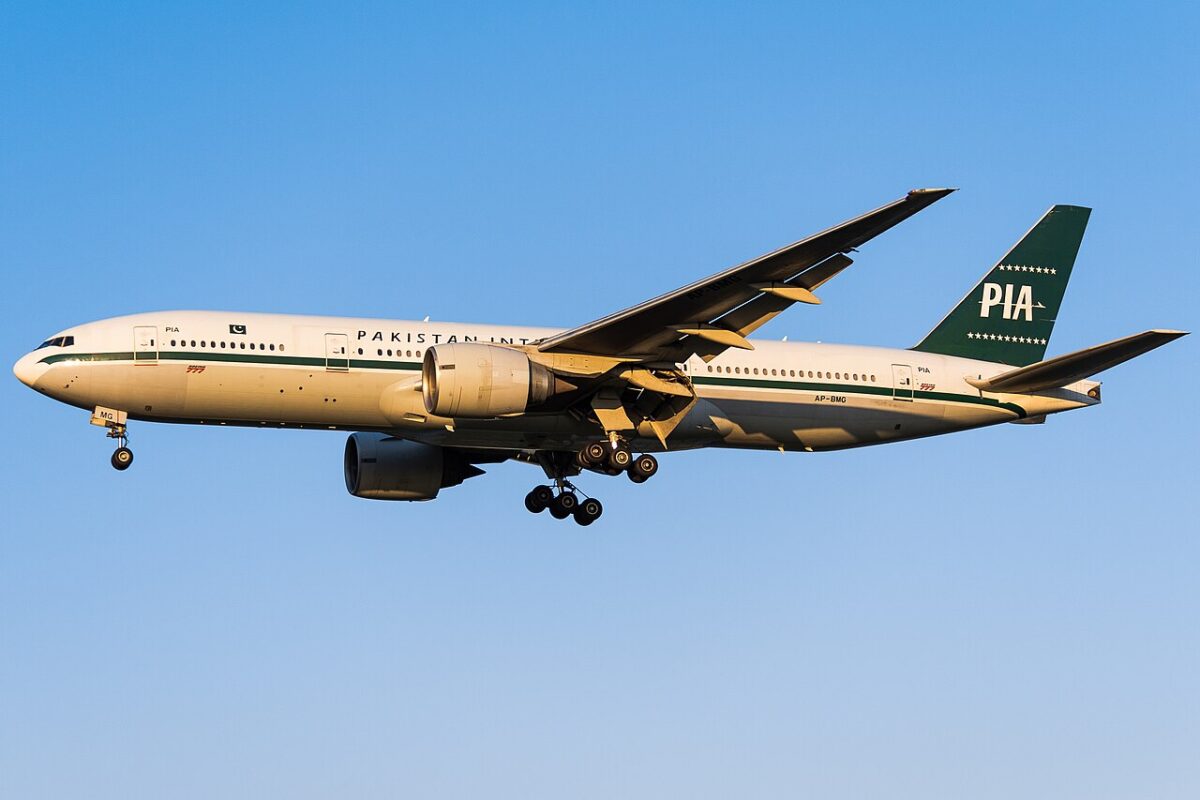
Lastly in the region, Pakistan International Airlines (PIA) painted three of its aircraft (two A320s and a single Boeing 777-300ER into the same vintage design to mark that carrier’s 60th anniversary.
Asia and Australasia
As our global tour of retro airline liveries nears its conclusion, there are still a handful of carriers in Asia and Australia that have presented fleet members in a vintage livery design.
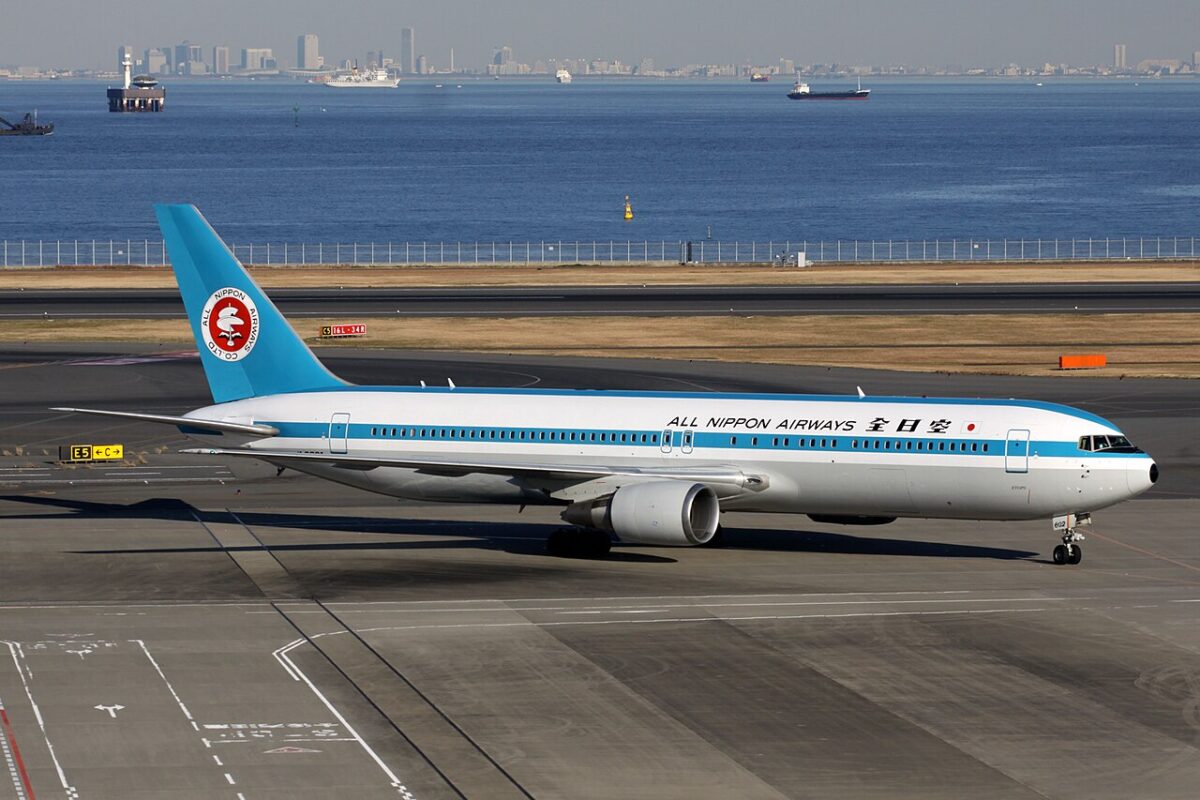
All Nippon Airways (ANA) in Japan operated a Boeing 767-300 in the company’s blue and white design of the 1970s and 1980s between 2009 and 2014. The aircraft was retired in 2016. In Indonesia, the state airline Garuda has several aircraft which feature retro liveries, including two Boeing 737-800s in different retro schemes, plus an Airbus A330-300 and a Boeing 777-300 that both wear the airline’s color scheme from 1969 to 1985, both featuring red and orange fuselage colors.

Malaysia Airlines had a single Boeing 737-800 that has been adorned with the carrier’s livery from the 1970s and 1980s, which features red fuselage cheatlines plus a red tail. Unfortunately, the aircraft concerned, (registered 9M-MXA) has recently been repainted and now wears the latest incarnation of the airline’s livery featuring a largely white fuselage with the colors of a stylized Malaysian flag across the rear fuselage in navy and red.

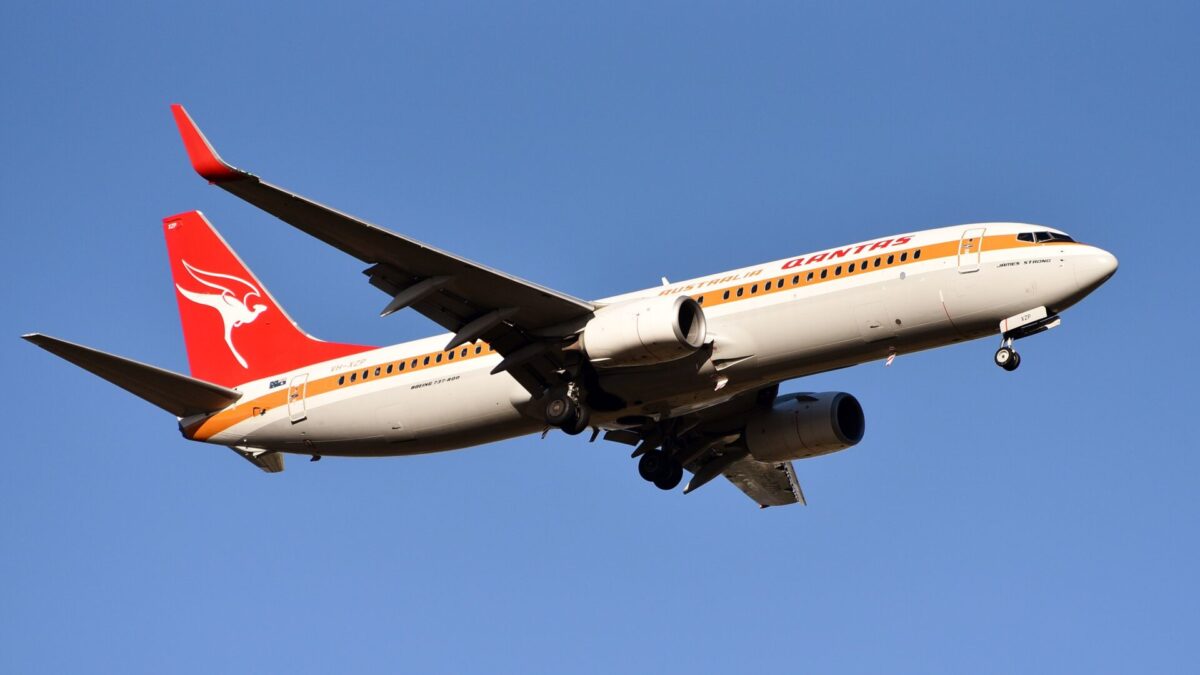
Our tour of retrojet liveries ends in Australia, with the national carrier Qantas falling under our focus. While one of the carrier’s Boeing 737-800s wears a scheme from the airline’s early days of operating jet aircraft (and is named ‘Retro Roo II’), another features the classic 1980s Qantas livery which features the ‘Flying Kangaroo’ tail log and a bright orange cheatline running down the windows.

On the subject of Qantas, it is worth giving an honorable mention to one other aircraft that wore a Qantas retrojet livery, albeit this one was in every sense a real retrojet. In July 2024, the actor John Travolta (Saturday Night Fever, Pulp Fiction) donated his Boeing 707-138 to the Historic Aircraft Restoration Society (HARS) in Australia.
With the airplane having originally served with Qantas in the 1960s, Travolta continued to fly the aircraft throughout the 2000s and 2010s effectively as his private jet, although the aircraft wore its original iconic Qantas ‘V-Jet’ retro livery throughout this time, with Travolta himself being appointed as a Qantas ambassador.
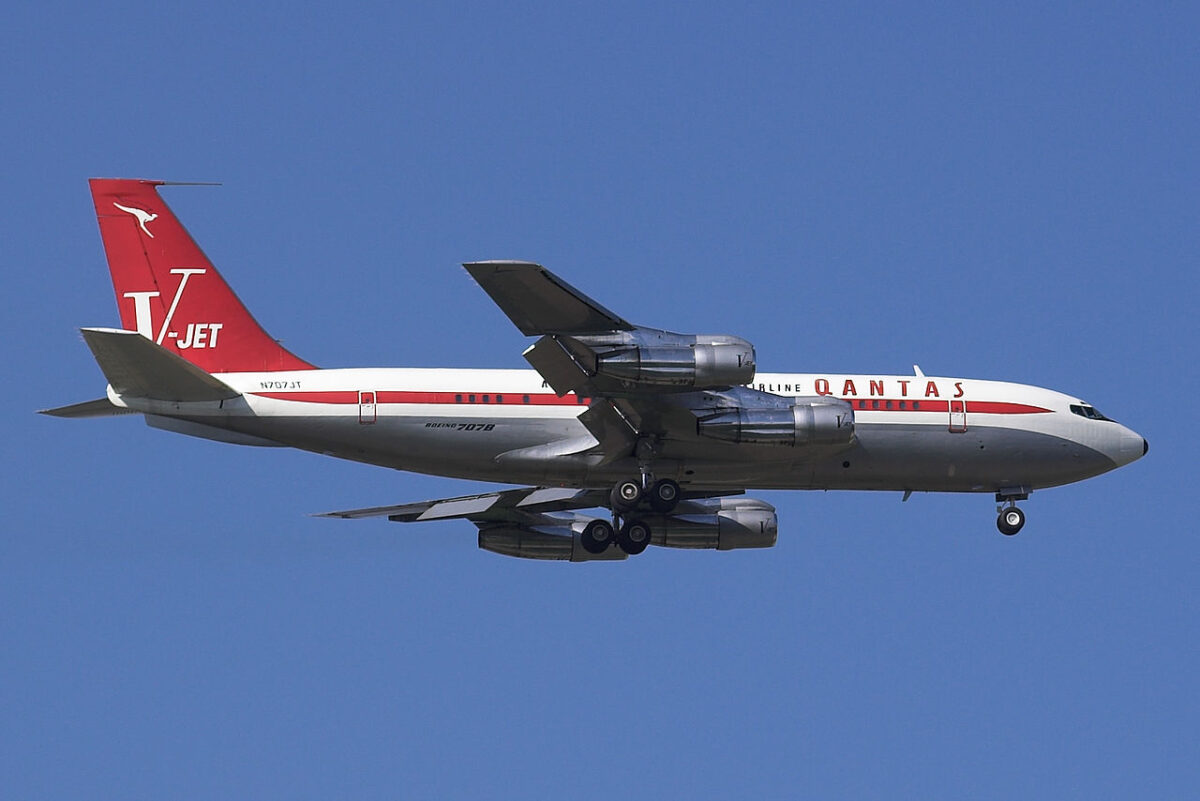
Sadly, the aircraft has been sitting in the US for several years awaiting the maintenance it requires to ferry it across the Pacific Ocean to HARS in Shellharbour, New South Wales. However, in early 2025, it was announced that the aircraft, known as the ‘Last of the Hot Rods’, cannot be returned to airworthy condition and may have to be shipped to HARS in parts. A sad end to what must be the best example of a retrojet still in existence.
Conclusion
With scores of retrojets still flying around the world today, there are still many opportunities to gain a glimpse into the world of airline travel of yesteryear. But as we have seen, retro airline liveries do not last forever, and aircraft eventually require repainting once again. If the phenomenon of the retro airline livery eventually runs its course, then it will have no doubt brought a smile to and turned some heads of the many who saw the retrojets on their travels.
However, should the trend continue, then many of the airline liveries we see at airports worldwide today may reappear at some point in the future, as the old becomes the new once more.
What are your thoughts on airline retro liveries? What have been your favorite and least favorite retrojet color schemes over the years? Perhaps there are others you are aware of that this article has not covered. Do let us have your views in the comments.
link